Table of Content
- What is an Integrated Science Lab?
- How the Integrated Science Lab is Useful for Schools?
- How can educators and teachers easily demonstrate to their students?
- Challenges and Benefits gained through Integrated labs
- Conclusion
In 2026, modern schools are continually seeking innovative ways to improve learning while managing infrastructure costs. One practical solution that has gained popularity is the Integrated Science Lab. Instead of maintaining separate laboratories for physics, chemistry, and biology, schools can create a unified space where students can perform experiments and practical activities across multiple scientific disciplines.
Furthermore, an integrated laboratory environment encourages collaborative learning and allows institutions to maximise the use of science lab equipment without unnecessary duplication. .
What is an Integrated Science Lab?
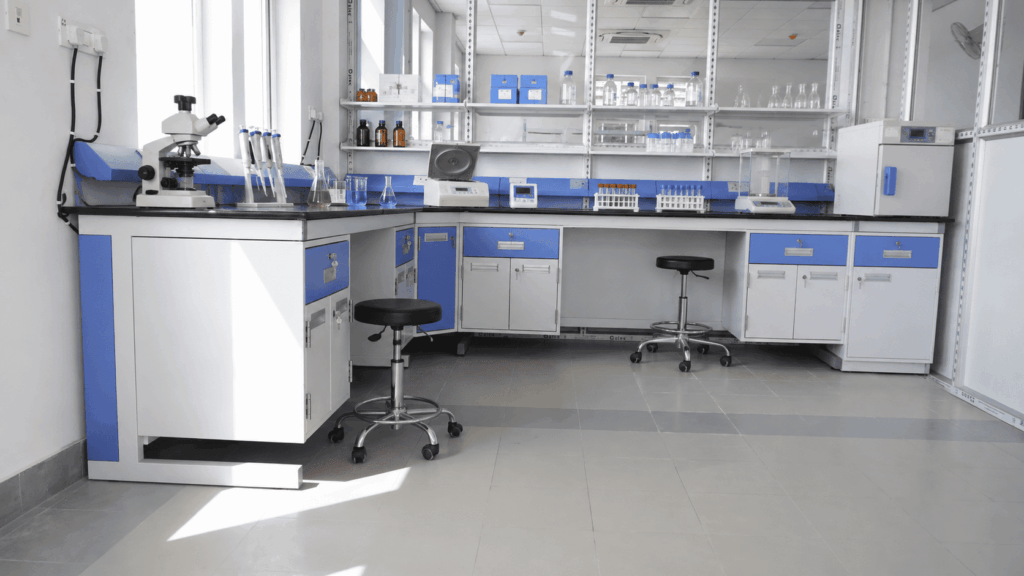
An Integrated Science Lab is a multi-disciplinary laboratory designed to accommodate practical experiments related to physics, chemistry, and biology within a single space. Instead of constructing separate laboratories for different subjects, schools can integrate all essential facilities into one organized and well-equipped laboratory.
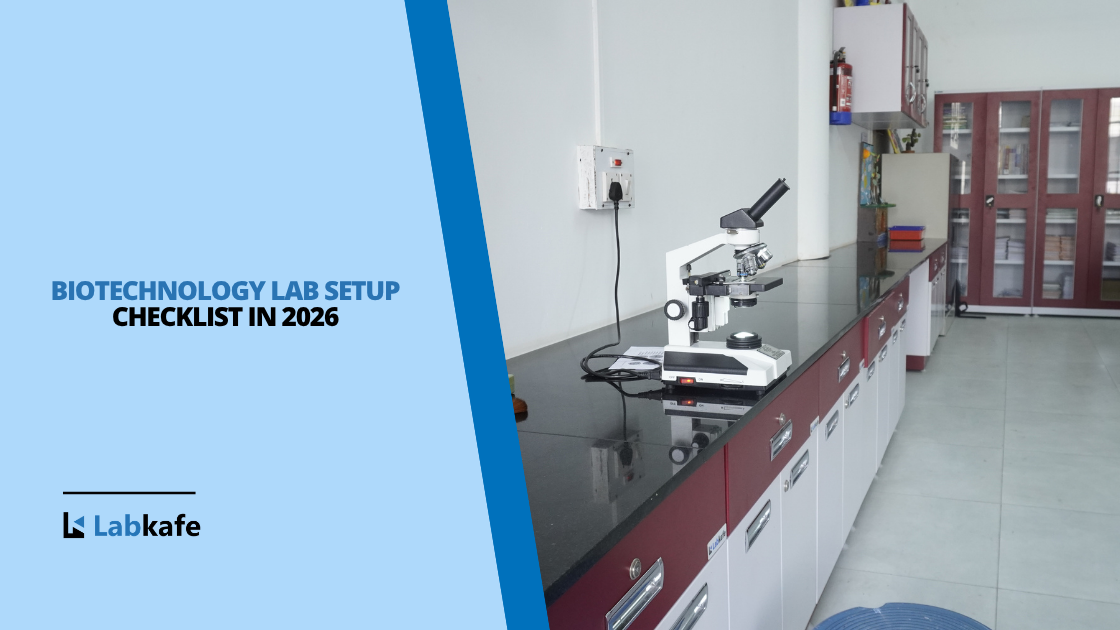
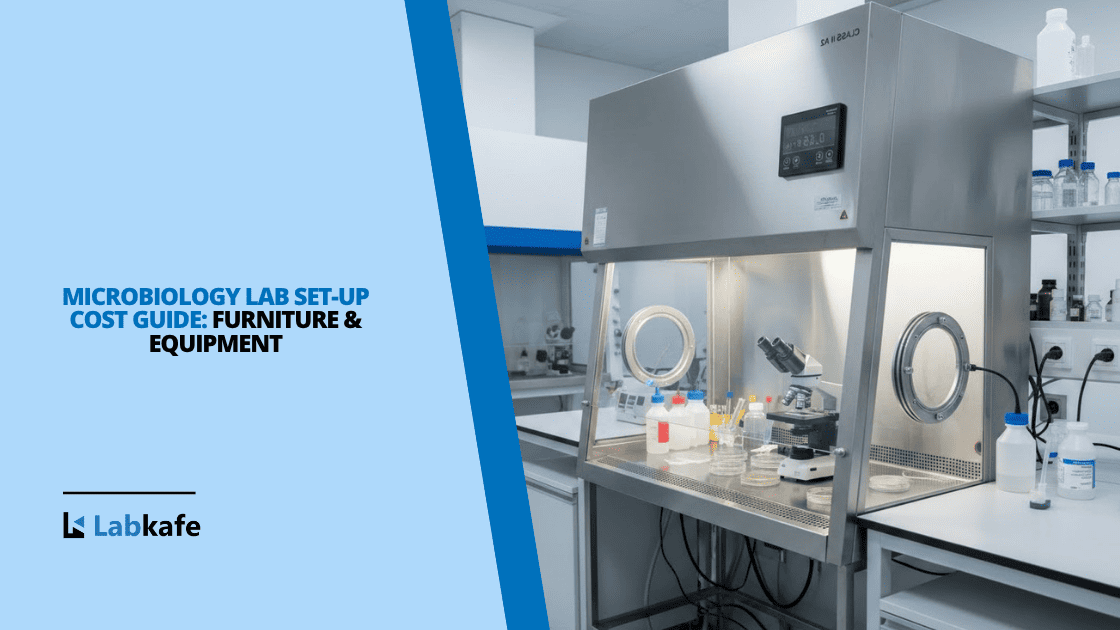
This type of laboratory includes a combination of Lab equipment, storage systems, and specialised tools required for multiple scientific activities. For example, students can use biology lab equipment for specimen observation and microscopic studies while also conducting chemical experiments using a Chemistry laboratory instrument in the same laboratory environment.
How the Integrated Science Lab is Useful for Schools?
Schools often face limitations related to infrastructure, funding, and classroom space. Building separate science laboratories can be expensive and difficult to maintain. This is where an integrated science lab becomes highly useful.
1. Helps Save Space
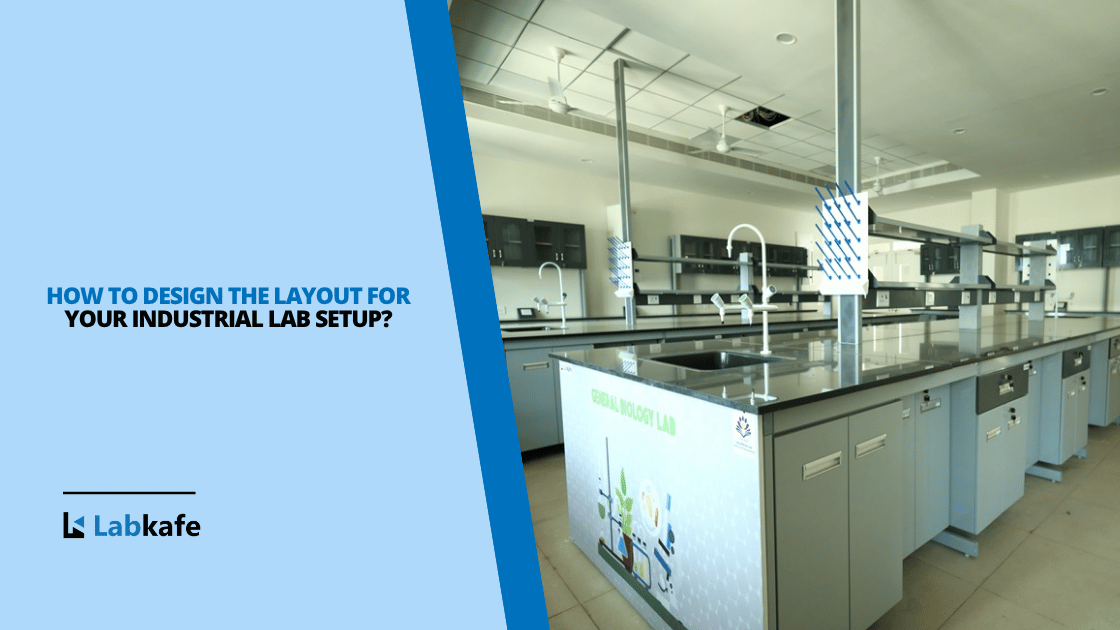
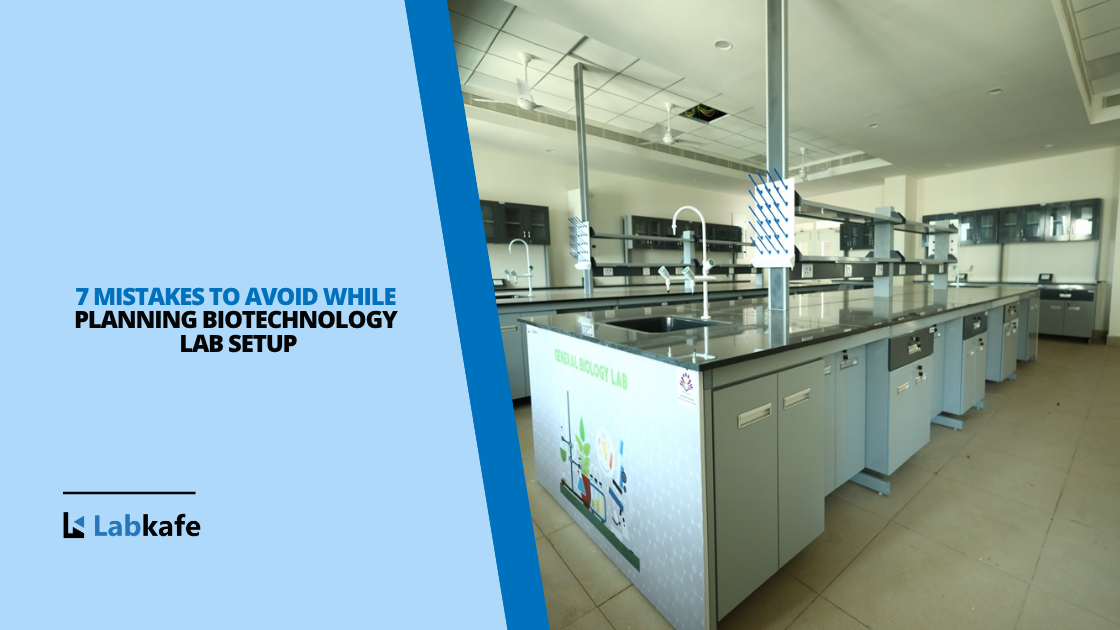
One of the biggest advantages of an integrated science lab is efficient space utilization. Schools with limited infrastructure can combine biology, chemistry, and physics practical sessions in one dedicated laboratory. This eliminates the need for multiple rooms and allows institutions to use available space more effectively.
By using flexible lab furniture such as modular workstations, movable storage units, and multifunctional tables, schools can create an organized and adaptable laboratory environment.
2. Reduces Budget and Maintenance Costs
Constructing and maintaining separate laboratories often requires higher investments in interiors, utilities, staffing, and maintenance. With an integrated science laboratory, schools can reduce these expenses significantly.
Instead of purchasing duplicate Lab equipment for different laboratories, institutions can invest in shared Science lab equipment that serves multiple purposes. This makes resource allocation more cost-effective while reducing long-term operational expenses.
3. Better Resource Management
Integrated laboratories allow schools to manage resources efficiently. Teachers and lab coordinators can monitor and maintain all Chemistry laboratory instrument, microscopes, electrical tools, and biology lab equipment from a centralized system. This improves equipment utilization and minimizes wastage.
4. Improves Student Learning Experience
Practical learning becomes more engaging when students can easily transition between different scientific concepts. For example, a student studying plant cells in biology can immediately connect the concept with chemical reactions or physical processes in the same laboratory setting.
How Can Educators and Teachers Easily Demonstrate to Their Students?
Teachers often face challenges in demonstrating scientific concepts due to limited access to resources or time constraints. An integrated science lab simplifies the demonstration process significantly.
Since all necessary Lab equipment and Chemistry laboratory instruments are available within one laboratory, educators can quickly prepare demonstrations without moving between different departments or rooms. For example, during a classroom session, teachers can easily switch from demonstrating chemical reactions to biological observations using biology lab equipment such as microscopes, specimen trays, and anatomical models. This seamless transition saves instructional time and helps students understand interdisciplinary scientific concepts more effectively.
Additionally, modern lab furniture supports organized layouts that improve visibility and accessibility, allowing teachers to engage students during practical sessions more efficiently.
Challenges and Benefits of Integrated Labs
Although integrated science laboratories offer numerous advantages, schools may face some challenges during implementation.
Challenges of Integrated Science Labs
1. Classroom Setup
An integrated laboratory requires careful planning to ensure all subjects receive adequate resources and designated work areas.
2. Safety Management
Since multiple scientific activities are conducted in one space, schools must install proper safety measures, including ventilation systems, storage cabinets, and safety kits.
3. Equipment Organization
Managing various Science lab equipment, including chemistry lab instruments and biology lab equipment, requires structured storage systems to avoid confusion.
Benefits of Integrated Science Labs
Despite these challenges, the long-term benefits are highly rewarding.
Cost Savings
Schools reduce construction and maintenance expenses by avoiding separate laboratories.
Efficient Space Utilization
Institutions can maximize available infrastructure through smart laboratory planning.
Improved Practical Learning
Students gain better exposure to hands-on activities using advanced lab equipment.
Easy Teaching Demonstrations
Teachers can conduct seamless practical sessions with organized lab furniture and easily accessible instruments.
Enhanced Collaboration
Students from different science disciplines can learn and experiment in a collaborative environment.
Conclusion
An integrated science laboratory is a cost-effective solution for schools to improve science education while saving space and budget. By combining physics, chemistry, and biology practicals in one setup, schools can optimize resources and enhance hands-on learning with quality science lab equipment, chemistry laboratory instruments, and biology lab equipment.
With durable lab furniture and modern lab equipment, schools can create a future-ready learning space that encourages practical knowledge and innovation. Looking to set up an integrated science lab? Contact Labkafe today for expert guidance and customized laboratory solutions.




Leave a Reply