Table of Content
- What determines the Cost of a Microbiology Lab Set-up?
- Laboratory Size and User Capacity of Microbiology lab
- How can Layout Planning Prevent Expensive Charges?
- How Furniture affects Microbiology Lab Set-up Cost?
- Why Does Equipment Take the Largest Share of the Microbiology Lab Setup Budget?
- Biosafety Equipment Can Significantly Change the Cost
- Conclusion
Planning a Microbiology Lab set-up involves more than simply purchasing microscopes, incubators, and laboratory workbenches. The total cost depends on how the laboratory will be used, the available space, the required level of containment, the number of users, and the type of testing or research conducted.
A microbiology laboratory for a school or college may require a very different investment. Therefore, understanding the major cost factors before purchasing furniture and equipment can help institutions create a practical laboratory without unnecessary expenditure.
What determines the Cost of a Microbiology Lab Set-up?
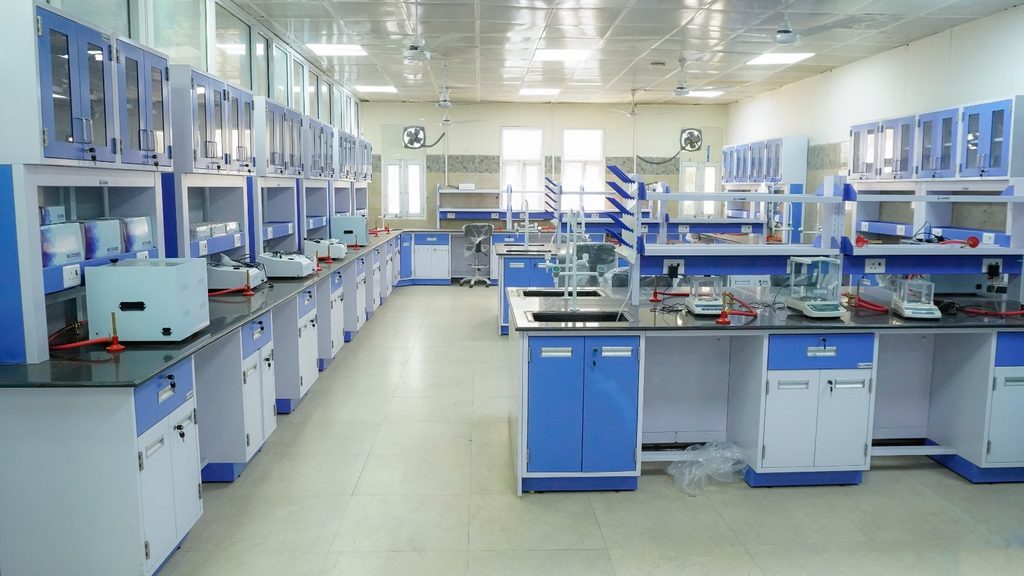
The cost of a Microbiology Lab set-up depends on several factors, including the size of the laboratory, number of users, type of microbiological work, furniture requirements, equipment selection, safety systems, and utility connections. A small educational lab may require a relatively simple setup, while a research, laboratory may need more specialized workstations, storage, ventilation, and advanced instruments.
Another major cost factor is the level of planning for laboratory required. The final budget can change depending on the laboratory layout, worktop material, number of sinks and electrical points, storage capacity, biosafety requirements, and the type of equipment installed. For this reason, defining the laboratory workflow and technical requirements before purchasing furniture or equipment helps create a more accurate and efficient budget.
Laboratory Size and User Capacity of Microbiology lab
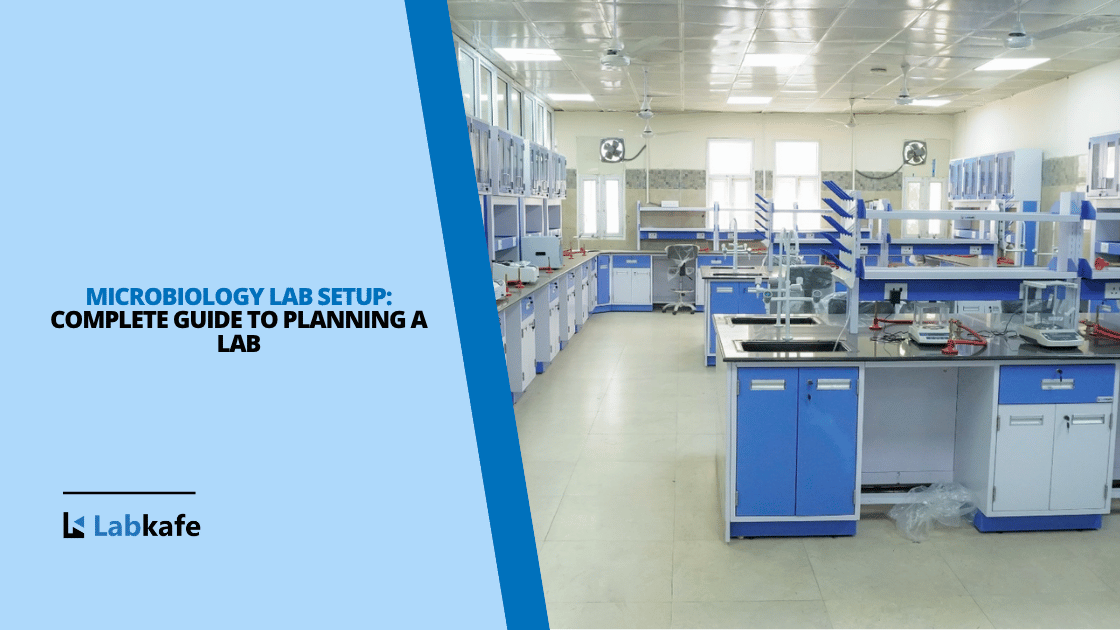
To optimize a Microbiology Lab set-up, start by matching the room layout with the number of users and the activities they will perform. Instead of adding more workbenches than necessary, divide the laboratory into functional zones for sample preparation, culture work, incubation, washing, storage, and instrument use. This helps reduce overcrowding and improves movement inside the lab.
Space can be used more efficiently by choosing modular furniture, wall-facing workbenches, under-bench storage, and overhead cabinets where appropriate. Utilities such as electrical points, water connections, and sinks should also be positioned close to the workstations that actually need them. Proper planning helps maximize usable workspace, avoid unnecessary furniture, and control the overall setup cost.
How can Layout Planning Prevent Expensive Charges?
To optimize a Microbiology Lab set-up,
- Divide the lab into functional zones for sample preparation, culture work, incubation, washing, storage, and instrument use.
- Avoid installing more workbenches than necessary to reduce overcrowding and unnecessary costs.
- Use modular furniture so the laboratory can be adjusted or expanded more easily in the future.
- Choose wall-facing workbenches, under-bench storage, and overhead cabinets to make better use of available space.
- Position electrical points, water connections, sinks, and other utilities close to the workstations where they are actually required.
- Maintain enough circulation space to allow safe and efficient movement between different laboratory zones.
- Plan the space carefully to maximize usable workspace, reduce unnecessary furniture, and control the overall Microbiology Lab set-up cost.
How Furniture affects Microbiology Lab Set-up Cost?
A well-planned laboratory layout can prevent costly modifications after installation. If sinks, electrical points, drainage lines, ventilation systems, or heavy equipment are placed incorrectly, changing them later may require additional civil work, plumbing, electrical work, or furniture modifications. Planning these elements in advance helps reduce unnecessary expenses and keeps the Microbiology Lab set-up more efficient.
Plan the Workflow Before Installing in Microbiology Lab Setup
The layout should follow the actual laboratory workflow. Areas for sample preparation, media preparation, culture handling, incubation, microscopy, washing, and storage should be positioned logically so users can move efficiently between different activities.
Position Utilities Where They Are Needed in Microbiology Lab setup
Electrical sockets, water connections, drainage points, gas lines, and data points should be planned according to the equipment and workstations that will use them. This avoids extending or relocating utility connections after the laboratory is operational.
Allocate Space for Major Equipment
Large equipment such as autoclaves, incubators, biosafety cabinets, refrigerators, and ovens should be included in the layout from the beginning. Their dimensions, power requirements, ventilation needs, and surrounding clearance should be considered before finalizing the furniture arrangement.
Keep Space for Future E4.xpansion
A laboratory may require additional instruments or workstations as its workload increases. Leaving some flexible space and using modular laboratory furniture can make future expansion easier without requiring major changes to the existing setup.
Why Does Equipment Take the Largest Share of the Microbiology Lab Setup Budget?
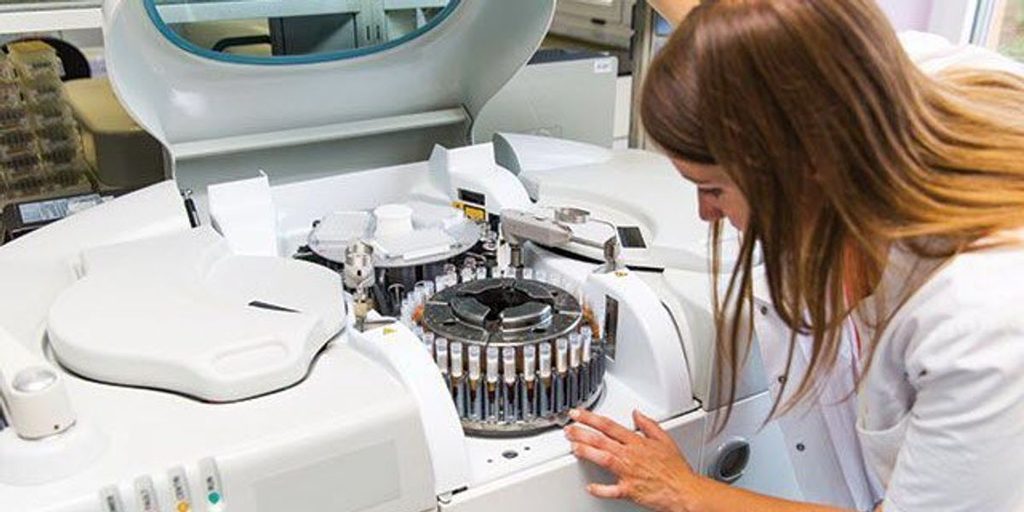
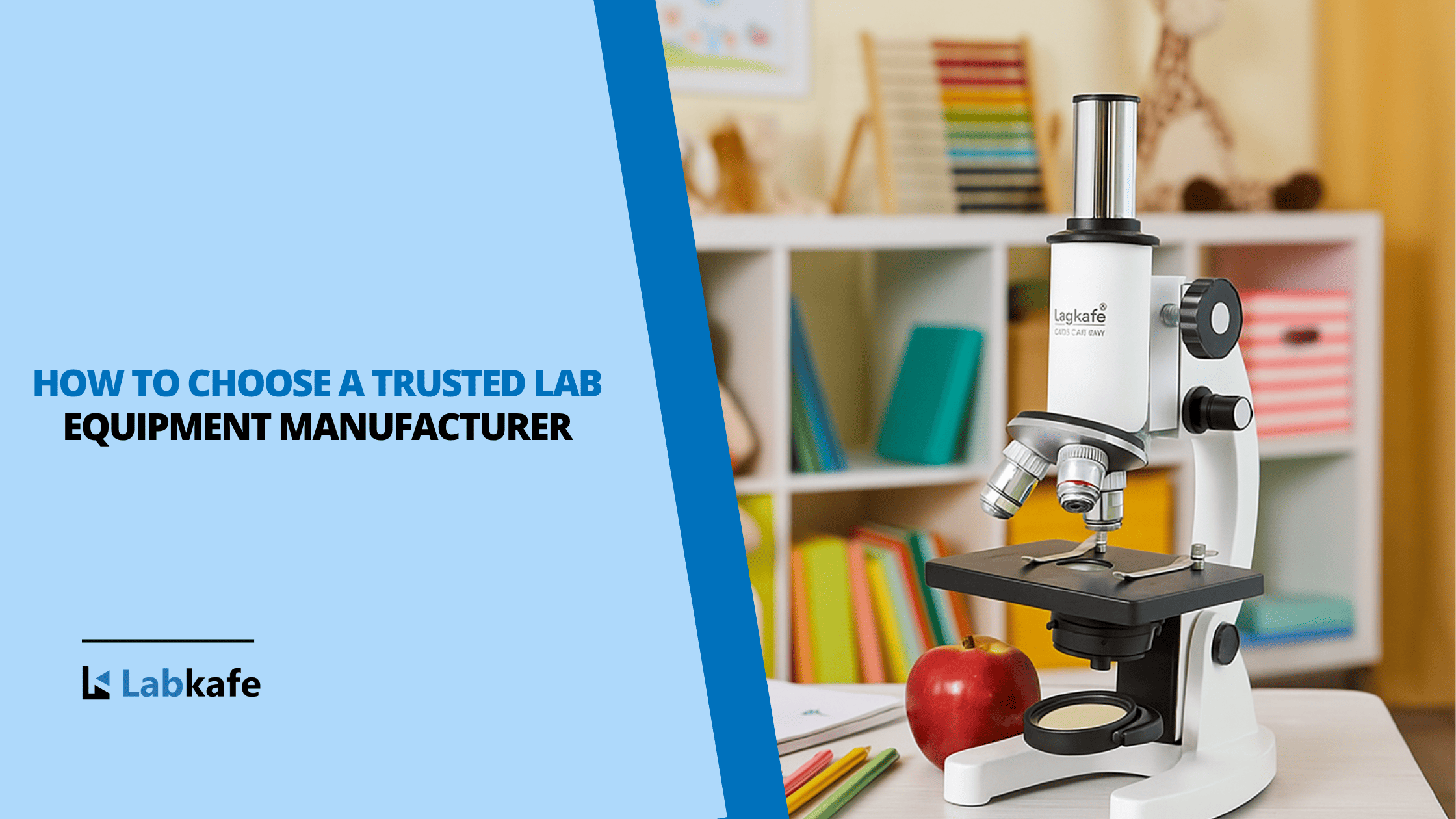
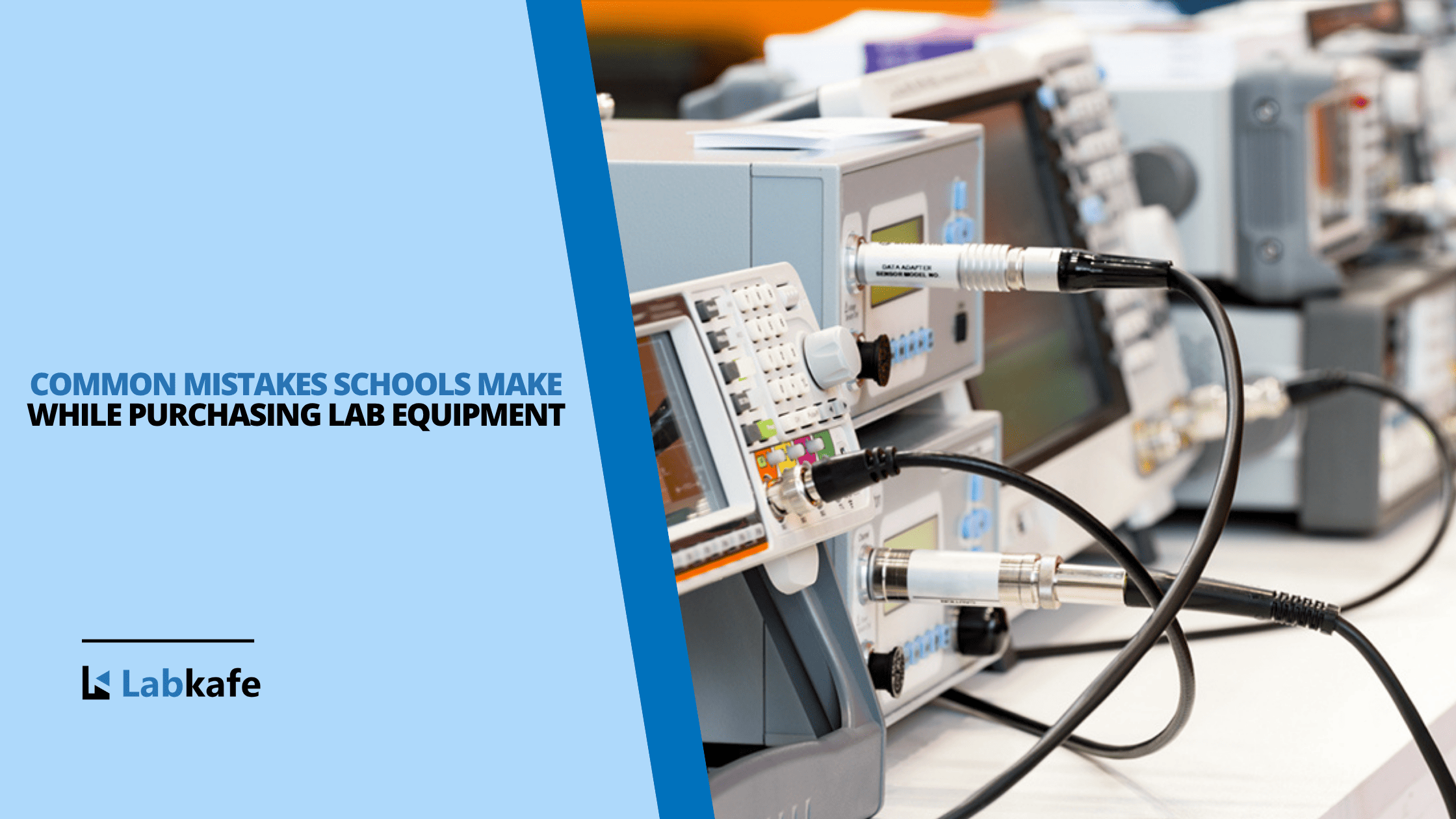
Laboratory equipment often represents the largest part of the Microbiology Lab set-up budget because many instruments are specialized, technically complex, and designed for precise laboratory work. Moreover, equipment such as autoclaves, incubators, microscopes, centrifuges, refrigerators, biosafety cabinets, and analytical instruments can significantly increase the initial investment.
The final cost also depends on equipment capacity, specifications, brand, automation level, and application. Furthermore, a basic educational microbiology lab may require only essential instruments, while research, pharmaceutical, food-testing, or diagnostic laboratories may need advanced equipment with higher accuracy, safety, and compliance requirements. The following are the points to control Equipment Costs are as follows:
- Prioritize essential equipment required for daily laboratory operations.
- Separate equipment into essential, application-specific, and future-upgrade categories.
- Select instrument capacity according to the expected workload.
- Avoid purchasing advanced equipment that is not required for current laboratory activities.
- Plan space, utilities, and power requirements before equipment installation.
- Keep some budget aside for maintenance, calibration, servicing, and replacement parts.
Biosafety Equipment Can Significantly Change the Cost
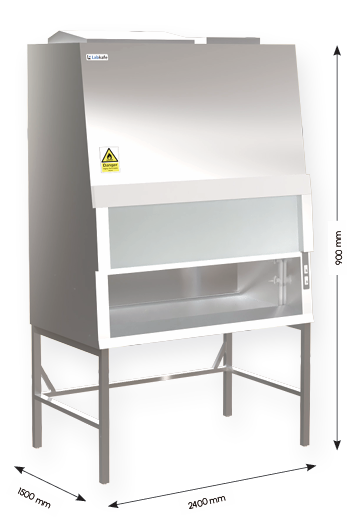
Biosafety requirements can significantly affect the cost of a Microbiology Lab set-up, especially when the laboratory handles biological samples, cultures, or potentially hazardous microorganisms. Depending on the type of work, the laboratory may require biosafety cabinets, eyewash stations, emergency showers, PPE storage, waste-handling systems, and additional ventilation or containment measures.
Moreover, the level of biosafety equipment should always match the actual risks and procedures of the laboratory. Installing unnecessary systems can increase the budget, while inadequate safety provisions can create operational and compliance issues. Planning biosafety requirements early helps institutions select the right equipment, allocate space correctly, and avoid costly modifications later.
Conclusion
The total cost of a Microbiology Lab set-up depends on how well the layout, furniture, and equipment are planned together. Careful planning can help reduce unnecessary expenses, prevent costly modifications, and ensure that every part of the laboratory supports the required workflow.
Instead of focusing only on the initial budget, institutions should aim for a laboratory that is functional, safe, scalable, and easy to maintain. With the right planning approach, a microbiology lab can be designed to meet current requirements. Looking to build or upgrade a microbiology laboratory? Labkafe can help with complete Microbiology Lab set-up solutions, including layout planning, modular laboratory furniture, equipment selection, and installation support.






Leave a Reply