Table of Content
- 30 Science lab Equipment Lab and Its Uses
- The Role of Science Laboratories Equipment in School Labs
- Conclusion
Science education goes beyond textbooks; students truly understand scientific concepts when they perform experiments in laboratories. For Class 11 and 12 students, practical learning is an important part of subjects like Physics, Chemistry, and Biology. This is why having the right science lab equipment in schools is essential for effective learning.
Furthermore, students are measuring voltage in a physics experiment, performing titration in chemistry, or observing cells under a microscope in biology; laboratory instruments make learning more engaging and accurate. A well-equipped laboratory not only improves practical knowledge but also develops problem-solving, observation, and analytical skills. In this blog, we explore 30 pieces of science lab equipment and their uses, categorised into Physics, Chemistry, and Biology laboratory essentials.
30 Science lab Equipment Lab and Its Uses
Science lab equipment helps students understand important scientific concepts such as motion, electricity, chemical reactions, and living organisms through practical experiments. From studying force and energy using physics lab equipment to conducting chemical analysis with chemistry lab equipment and observing microscopic life through biology lab equipment, laboratory tools make learning more interactive and effective. Below are some essential science lab equipment items commonly found in school laboratories.
Physics Lab Equipment
Physics practical helps students understand concepts such as motion, electricity, light, and force through experiments. Below are some essential physics lab equipment items commonly found in school laboratories.
1. Vernier Caliper
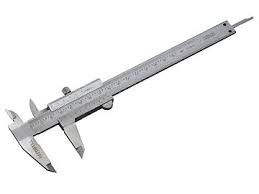
A Vernier Caliper is used to measure internal and external dimensions accurately. Students use it to measure the diameter, thickness, or depth of objects during practical experiments. It is one of the most important pieces of physics lab equipment for precise measurement.
2. Screw Gauge
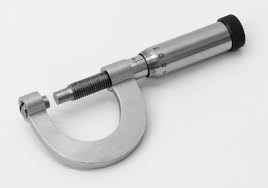
A Screw Gauge is used to measure very small dimensions, such as the thickness of wires, paper, or metal sheets, with high precision. It helps students understand accurate measurement techniques in laboratory experiments.
3. Ammeter
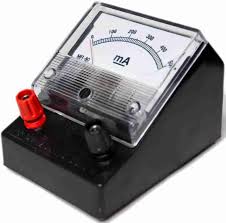
An Ammeter is an electrical device used to measure the flow of electric current in a circuit. It helps to stimulate circuit such as breadboard or an Ohm’s Law Apparatus.
4. Voltmeter
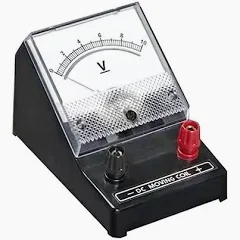
A voltmeter measures the voltage or electric potential difference between two points in an electrical circuit. Students and teachers use it in laboratories to monitor and analyze electrical circuits accurately.It helps students study circuit key function and characteristics, how electricity flows through different components.
5. Galvanometer
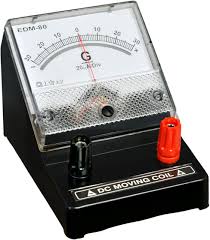
A galvanometer detects and measures very small electric currents with high sensitivity. Schools commonly use it in laboratories to observe electrical changes and monitor current flow in circuits.
6. Optical Bench
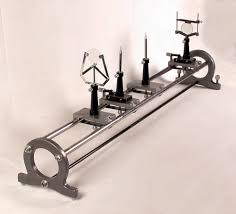
An Optical Bench is a laboratory setup used to study the properties of light, lenses, and mirrors. However, it helps the students perform experiments related to reflection, refraction, and focal length measurement.
7. Spring Balance
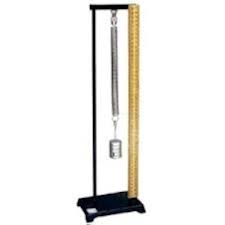
A spring balance is a mechanical device that measures weight or force using a calibrated spring. Operating on Hooke’s Law, the spring extends in proportion to the applied load, with readings in Newtons or grams. In school mechanics labs, it helps students visually grasp the difference between mass and weight while measuring forces like friction and gravity.
8. Pendulum Setup
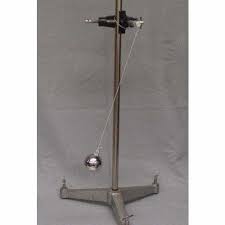
A Pendulum Setup is used to study oscillatory motion and gravity. Students use it to understand concepts like time period, frequency, and acceleration due to gravity.
9. Potentiometer
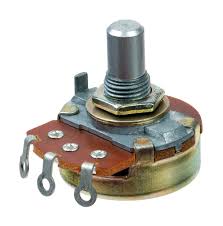
A Potentiometer is an instrument used for accurately measuring and comparing electrical potential differences. Furthermore, it is commonly used in advanced electrical experiments in senior secondary physics laboratories.
10. Glass Slab
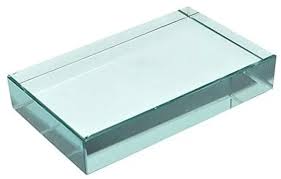
A Glass Slab is a transparent rectangular piece of glass used in optics experiments. However, it helps students study the refraction and bending of light as it passes through different materials.
Chemistry Lab Equipment
Chemistry lab equipment is essential for conducting safe and accurate experiments. These laboratory tools help students measure, mix, heat, and analyse chemicals during practical sessions.
11. Burette and Pipette
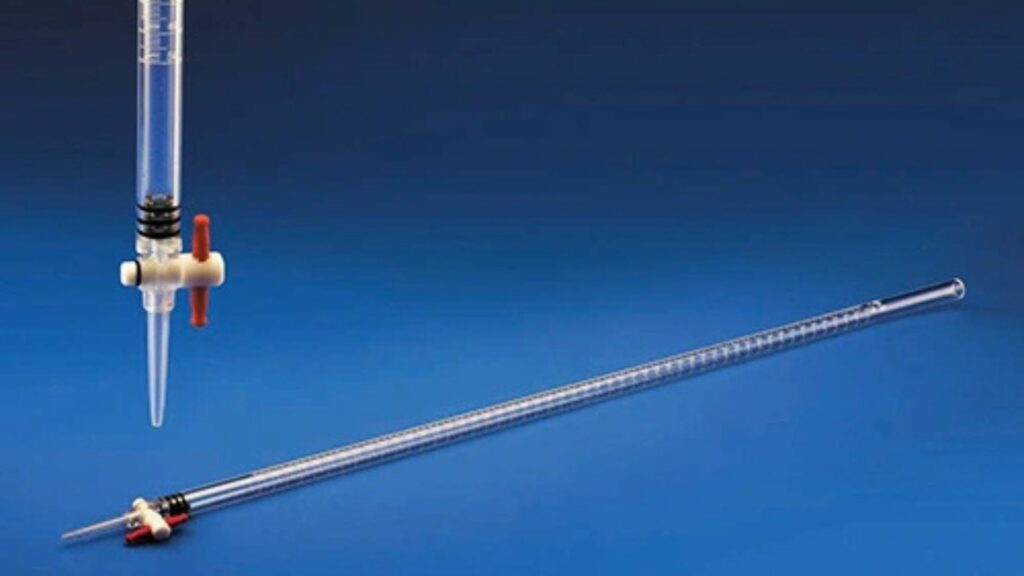
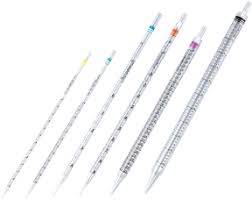
A Burette and Pipette are laboratory tools used to measure and transfer exact amounts of liquids. Furthermore, they are especially important in titration experiments where precise measurements are required.
12. Conical Flask
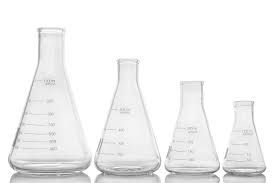
A Conical Flask is a flask with a broad base and a narrow neck used for mixing chemicals safely. However, its shape prevents spillage, making it useful in chemical reactions and titration experiments.
13. Volumetric Flask
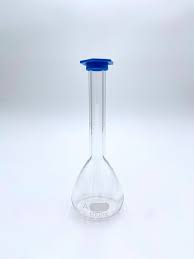
A Volumetric Flask is specially designed to prepare solutions with precise concentrations. It is commonly used in chemistry laboratories for preparing standard chemical solutions.
14. Test Tube
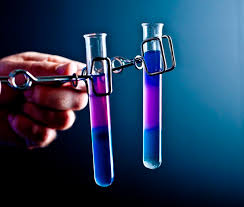
A Test Tube is a cylindrical glass container used for holding, heating, or mixing chemicals. It is one of the most frequently used chemistry lab equipment items.
15. Spatula
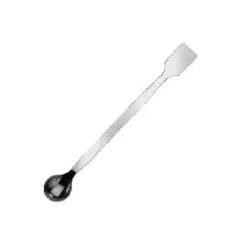
A Spatula is a small laboratory tool used to handle and transfer powdered chemicals safely. However, it helps prevent contamination while measuring or mixing substances.
16. Reagent Bottles
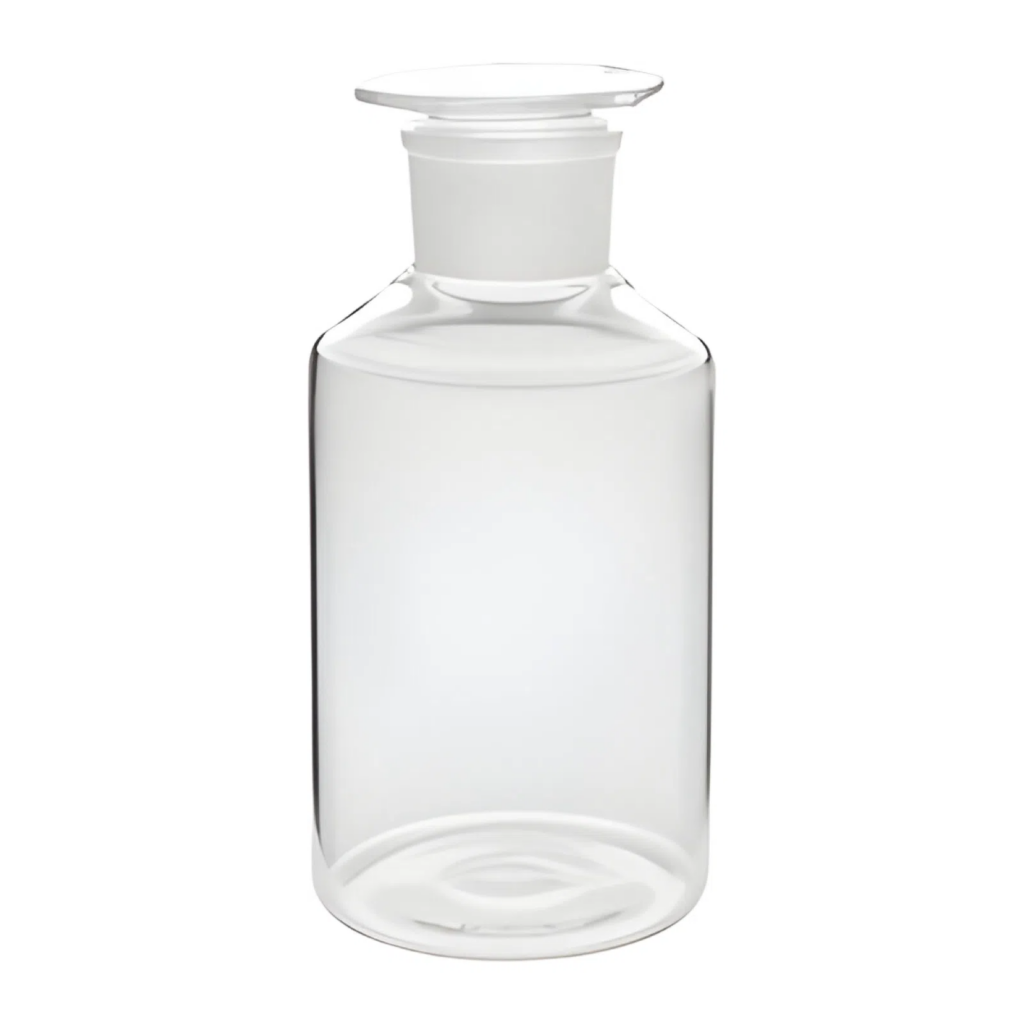
It are specially designed containers used for storing laboratory chemicals and solutions. They help maintain chemical purity and ensure safe storage.
17. China Dish
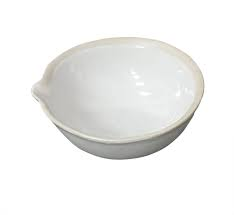
A China dish is a shallow, heat-resistant porcelain container used in chemistry labs to safely heat, evaporate, or crystallize liquids. Its durable ceramic composition allows it to withstand direct open flames and high temperatures without cracking. It helps students study thermal decomposition, chemical reactions, and the separation of mixtures by evaporation
18. Water Bath
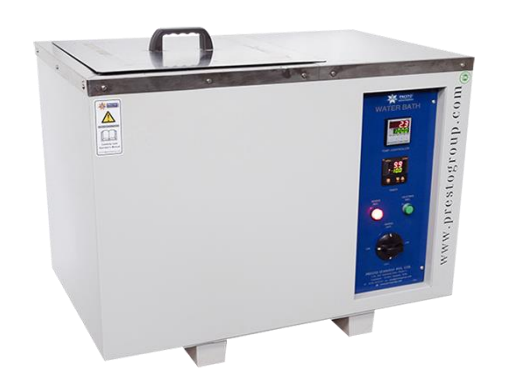
A water bath is a temperature-controlled laboratory device used to heat chemical substances or biological samples gently and evenly. By surrounding a container with heated water, it reduce hotspots and safely warms volatile or flammable liquids that could ignite under a direct flame
19. Spirit Lamp

A Spirit Lamp is a heating device that uses alcohol as fuel to produce a flame. It is often used in school laboratories for heating substances during experiments.
20. Funnel
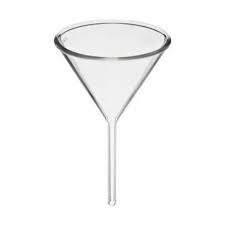
A Funnel is a cone-shaped laboratory tool used for pouring liquids into containers with narrow openings. It also plays an important role in filtration processes during chemistry practicals.
Biology Lab Equipment
Biology lab equipment helps students study living organisms, tissues, cells, and microorganisms through observation and experiments.
21. Compound Microscope
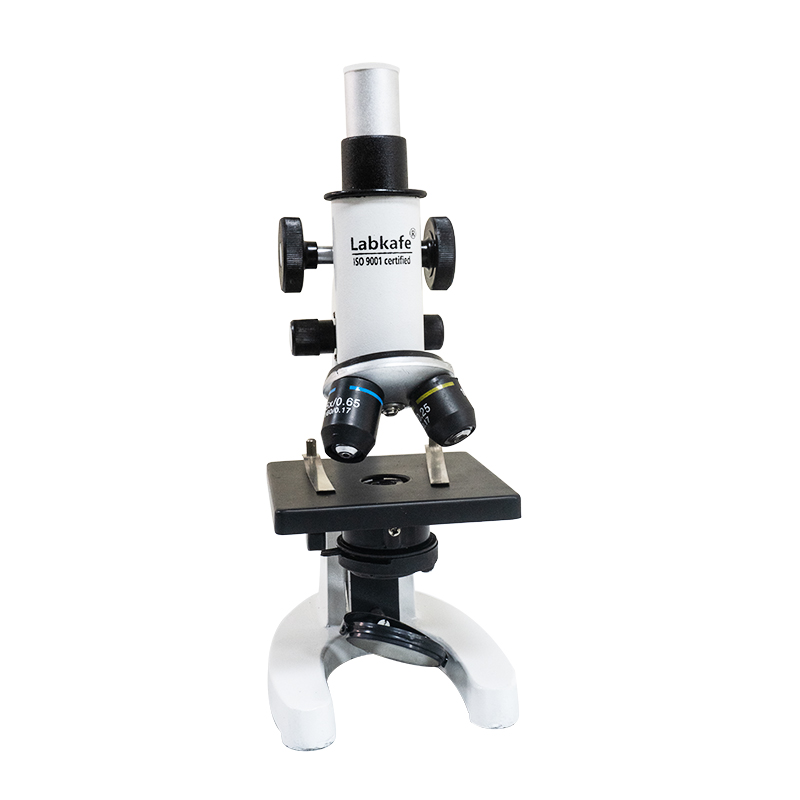
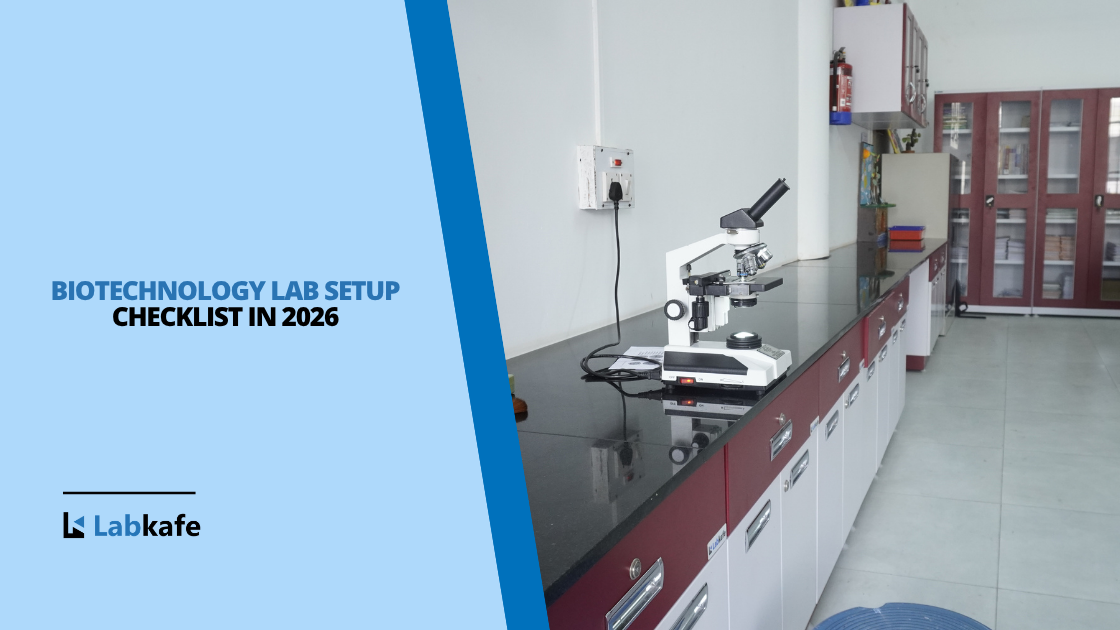
A Compound Microscope is an important biology laboratory instrument used to magnify tiny organisms, cells, and tissues. It allows students to observe microscopic structures clearly.
22. Glass Slide

A Glass Slide is a thin piece of glass used to place specimens for microscopic examination. It plays an important role in observing biological samples under a microscope.
23. Watch Glass
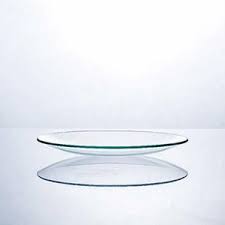
A Watch Glass is a shallow circular glass plate used for holding small samples or chemicals. It is also useful during evaporation and observation experiments.
24. Forceps
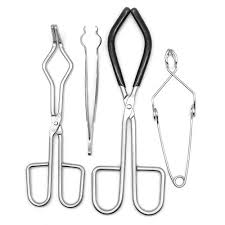
They are tweezers-like tools used to handle delicate biological specimens without causing damage. They are commonly used in dissections and biology practicals.
25. Dissecting Needles
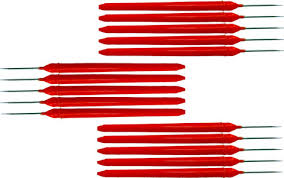
These Needles are sharp laboratory tools used during dissection to separate tissues and examine biological structures carefully.
26. Dropper Bottle
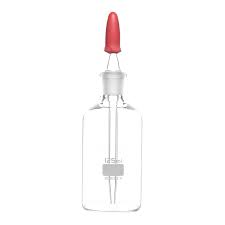
A Dropper Bottle is used to store and dispense liquids in small quantities. It helps students add biological solutions and chemicals accurately during laboratory experiments.
27. Beaker
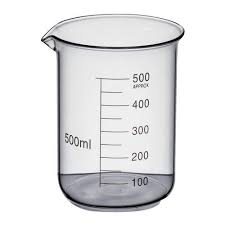
A Beaker is a glass container used for mixing, heating, and holding liquids in laboratory experiments. It is widely used in both biology and chemistry practicals.
28. Inoculating Loop
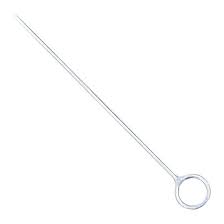
An Inoculating Loop is a laboratory tool used to transfer microorganisms from one culture medium to another. It is commonly used in microbiology practicals.
29. Preserved Slides
Preserved Slides are prepared microscope slides containing biological specimens for study. They help students observe plant and animal tissues without preparing fresh samples.
30. Human Skeleton Models
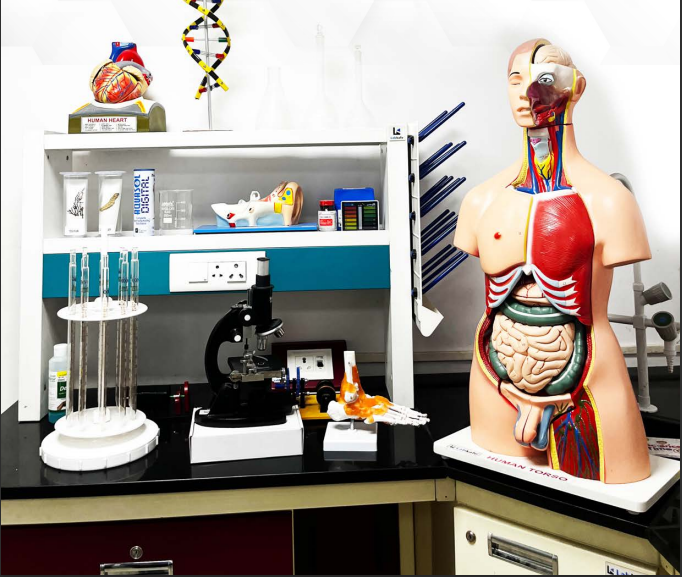
The Models are educational tools used to study human anatomy and bone structure. They help students understand the arrangement and function of different bones in the body.
The Role of Science Lab Equipment in School Labs
Science laboratory equipment plays an important role in school labs, as it helps students understand scientific concepts through practical learning. Instead of only relying on textbooks, students can actively perform experiments and observe scientific principles in action.
For example, physics lab equipment helps students understand concepts such as motion, force, electricity, and light through hands-on experiments. Similarly, chemistry lab equipment enables students to safely mix, measure, and analyze chemicals, thereby improving their understanding of chemical reactions. Furthermore, biology lab equipment allows students to observe cells, tissues, and microorganisms more closely.
At Labkafe, schools, colleges, and educational institutions can access premium quality laboratory solutions designed for modern learning environments. Furthermore, Labkafe delivers the best science lab equipment across India, ensuring quality, durability, safety, and complete laboratory support for educational institutions.
Conclusion
In conclusion, science laboratory equipment plays a vital role in enhancing practical learning in school laboratories. By allowing students to perform experiments and observe scientific concepts firsthand, laboratory tools make learning more interactive and meaningful.
Moreover, physics lab equipment, chemistry lab equipment, and biology lab equipment help students develop problem-solving abilities, observation skills, and scientific understanding. Contact our Lab Experts today to get premium-quality Science Lab Equipment Today!






Leave a Reply