Table of Contents
- Why Laboratory Glassware is Important?
- Important Types of Laboratory Glassware in a Science Laboratory
- How to Choose the Right Laboratory Glassware?
- Safety Tips for Using Laboratory Glassware
- Conclusion
Laboratory Glassware is an essential part of modern Lab Equipment used across schools, colleges, universities, and research laboratories for safe and accurate scientific experiments. From Chemistry Lab Equipment to biology lab equipment, high-quality glassware supports heating, mixing, measuring, filtration, and analysis.
Most apparatus used in chemistry laboratory setups are made of borosilicate glass due to its durability and heat resistance. Common chemical laboratory instruments include test tubes, flasks, burettes, pipettes, funnels, and Petri dishes. These are widely used as scientific equipment in schools and as apparatus for biology laboratory practical learning and research applications.
Why Laboratory Glassware is Important?
Laboratory glassware includes a variety of specially designed glass instruments used for measuring, heating, mixing, storing, and transferring chemicals and biological samples in scientific environments. Although these tools may seem similar at first glance, their quality, accuracy, and construction significantly impact experimental outcomes.
Not all glassware performs the same way. Even glassware that looks identical can differ in calibration accuracy, glass quality, thickness, and resistance to chemicals or temperature changes. These small differences can affect precision and reliability during experiments.
Premium-quality laboratory Glass instruments is specifically designed to:
- Withstand high temperatures and thermal stress
- Resist chemical reactions and corrosion
- Deliver accurate volumetric measurements
- Support safe and efficient handling in laboratories
These features are essential for maintaining accuracy, safety, and consistency in scientific work.
Important Types of Laboratory Glassware in a Science Laboratory
Here are the listed important types of Laboratory Equipment are written below:
Test Tubes
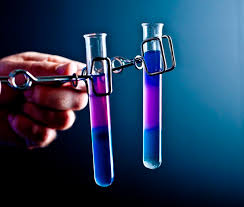
It is one of the most familiar and widely used pieces of Laboratory Glassware found in schools, colleges, and research labs. However, these small cylindrical glass containers are perfect for holding, mixing, or heating small amounts of chemicals during experiments. Whether students are learning basic reactions in chemistry labs or researchers are testing samples, test tubes play an important role in everyday lab work.
Conical Flasks
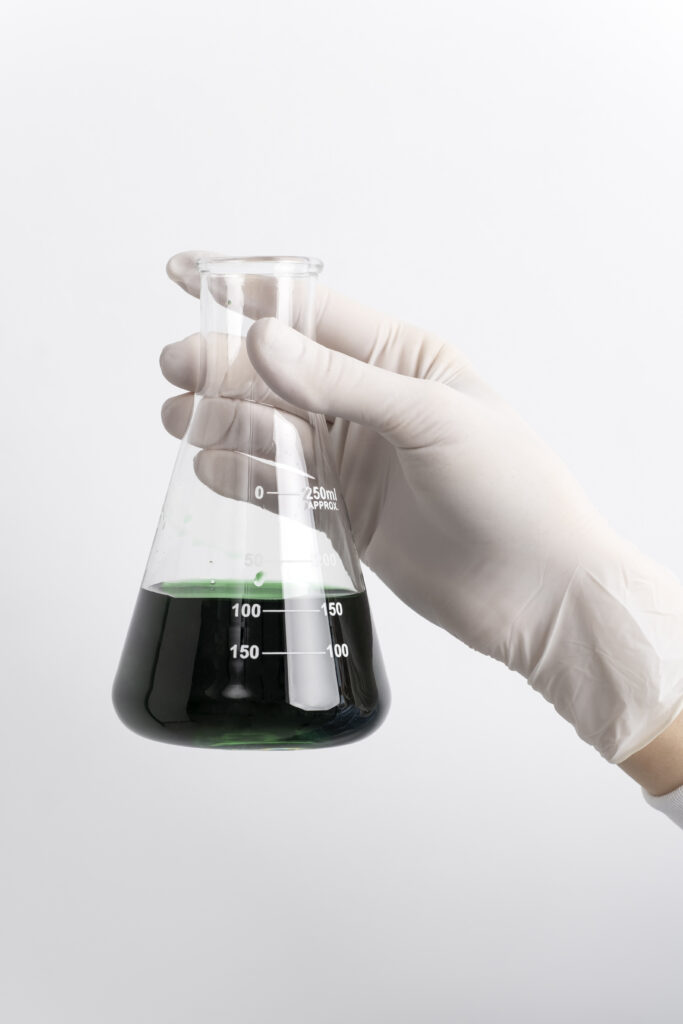
Often called Erlenmeyer flasks, these specially designed vessels make chemical mixing safer and easier. Their wide bottom and narrow neck help prevent spills, especially while shaking or swirling liquids. Laboratories frequently use these versatile chemical laboratory instruments for titration, heating solutions, and mixing chemicals in both educational and professional settings.
Volumetric Flasks
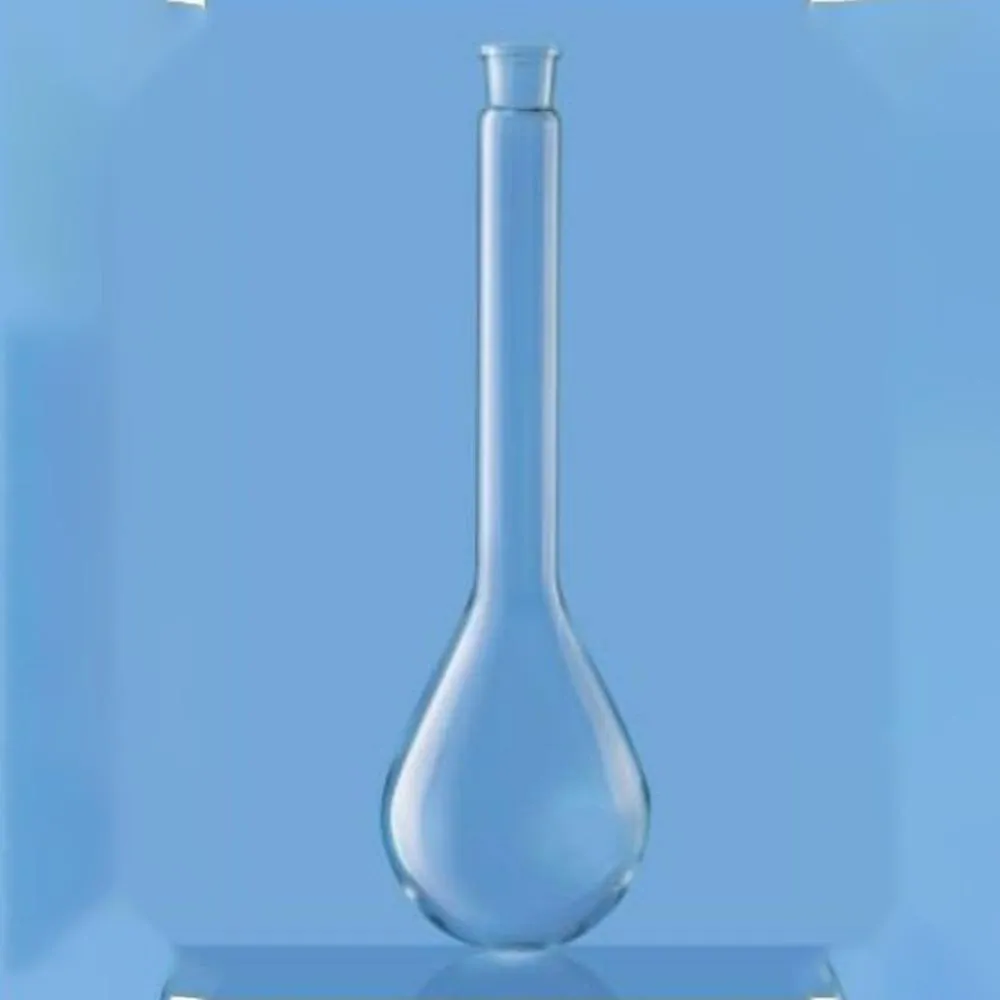
When accuracy matters, volumetric flasks become essential. However, these specially designed flasks are used to prepare exact chemical solutions and maintain highly precise liquid measurements. Unlike beakers or regular flasks, volumetric flasks contain a calibration mark that ensures measurement accuracy. They are widely used in analytical and pharmaceutical laboratories.
Round Bottom Flask
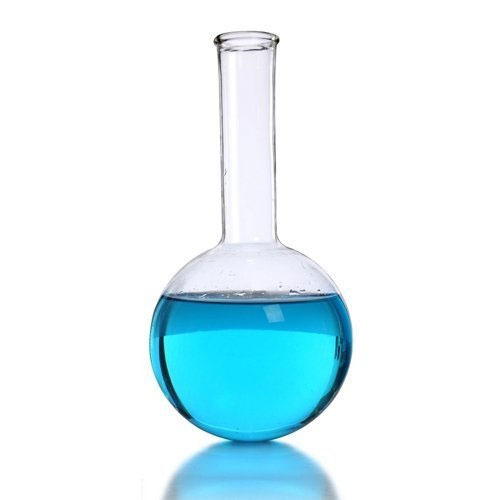
Round bottom flasks are easily recognized because of their spherical base, which allows heat to spread evenly across the surface. This design makes them highly suitable for distillation, reflux reactions, and organic chemistry experiments where controlled heating is necessary. Unlike, flat-bottom containers, these flasks reduce the chances of uneven heating and cracking.
Burettes & Pipettes
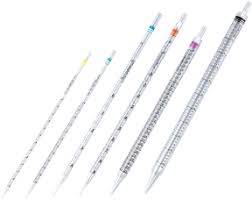
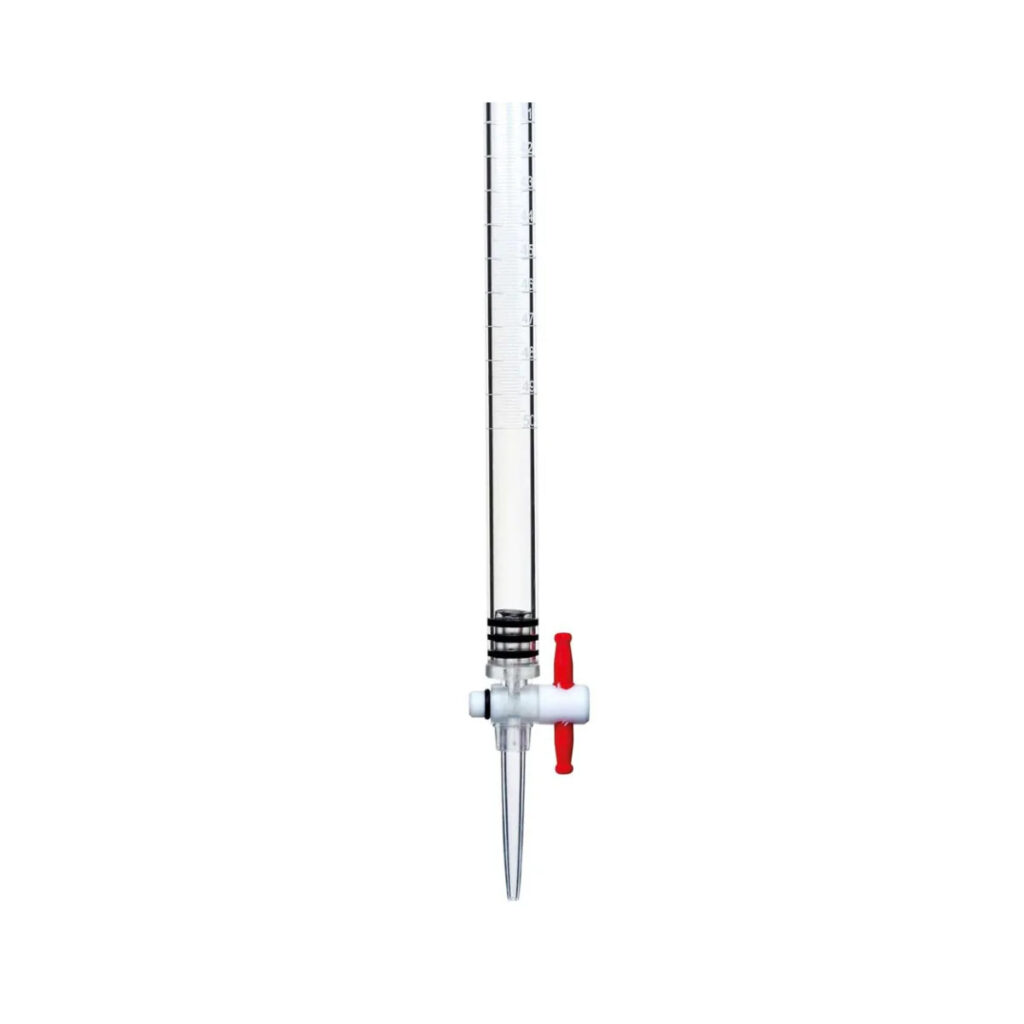
Burettes and pipettes are essential whenever accuracy is non-negotiable in the laboratory. Burettes dispense measured amounts of liquid slowly during titration, while pipettes transfer precise liquid quantities from one container to another. These tools are among the most trusted chemistry instruments for quantitative analysis and volumetric experiments.
Funnels
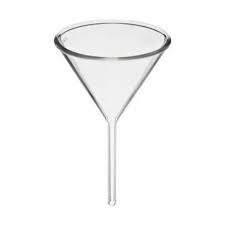
Funnels may appear simple, but they are among the most functional pieces of Laboratory Glassware in any laboratory setup. Furthermore, it’s used to transfer liquids and support filtration. Funnels help avoid spills and maintain precision during experiments. It may appear simple, but they are among the most functional pieces of Laboratory Glassware in any laboratory setup. Furthermore, it is used for transferring liquids and supporting filtration.
Vials
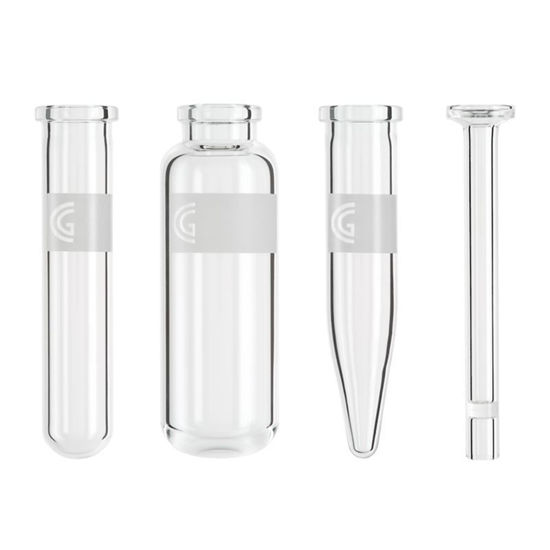
Vials are small but highly important storage containers used for preserving chemicals, biological samples, powders, and liquids safely. However, their compact design makes them suitable for transportation and sample storage in pharmaceutical industries, healthcare facilities, and research centers. As part of modern Lab Equipment, vials help maintain sample quality and prevent contamination.
Slides Laboratory Glassware

Microscope slides are thin glass sheets that hold specimens for microscopic examination. From observing plant tissues and bacteria to studying blood samples and microorganisms, slides are a crucial part of biology lab equipment.
Stirring Rods Laboratory Glassware
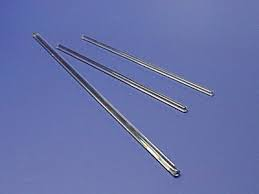
Although simple in design, they serve as one of the most useful laboratory instruments used daily in laboratories. Usually made from durable glass, these rods help mix chemicals evenly, guide liquids during pouring, and reduce spills while transferring solutions.
How to Choose the Right Laboratory Glassware?
Choosing the right lab glassware is a bit complicated, as you have to buy good quality glassware, as poor quality causes inaccurate results. It is important to select borosilicate glassware because of its excellent heat resistance, chemical durability, and ability to withstand sudden temperature changes. However, common apparatus used in chemistry laboratory experiments, such as test tubes, conical flasks, burettes, and pipettes, should always have accurate calibration and strong durability for precise outcomes. However, when selecting Laboratory Glassware, consider the type of experiments your laboratory performs.
Safety Tips for Using Laboratory Glassware
- Inspect before use: Always check Laboratory Glassware for cracks, chips, or damage before starting an experiment.
- Handle with care: Use Chemistry Lab Equipment carefully, especially while heating or transferring chemicals. Glassware and gravity are not always best friends.
- Use protective gear: Wear gloves, lab coats, and safety goggles when handling chemical laboratory instruments to avoid accidents or chemical exposure.
- Avoid sudden temperature changes: Never place hot glassware directly into cold water, as it may crack due to thermal shock.
- Use the right glassware for the right experiment: Choose suitable apparatus used in chemistry laboratory setups, such as heat-resistant flasks for heating and burettes for accurate measurements.
- Keep glassware clean: Proper cleaning prevents contamination and ensures accurate results in both biology lab equipment and chemistry experiments.
- Handle hot glass carefully: Remember, hot glass looks exactly like cold glass. Always allow it to cool before touching.
Conclusion
The right Laboratory Glassware is essential for safe, accurate, and successful experiments in schools, colleges, and research labs. From Chemistry Lab Equipment to biology lab equipment, high-quality chemical laboratory instruments help improve learning, precision, and laboratory performance.
Looking for durable and reliable science equipment for school or advanced chemistry apparatus? Upgrade your lab with Labkafe’s premium Laboratory Glassware and create a smarter, safer, and future-ready science lab today!










Leave a Reply