Table of Content
- What Makes Galvanized Iron Suitable for Industrial Laboratory Furniture?
- How does Galvanized Iron protect the Lab Furniture from Corrosion?
- How Galvanized Iron deliver better performance then CRCA?
- Can Galvanized Iron Help Reduce Laboratory Maintenance?
- Does Every Area of an Industrial Laboratory Need the Same Galvanized Iron Furniture?
- Why Is Galvanized Iron Useful for Modular Industrial Laboratory Furniture?
- Can GI Furniture Adapt When the Laboratory Expands?
- Conclusion
An Industrial Laboratory is not a place where normal furniture just sits against the wall. Laboratory workbenches carry specific equipment; cabinets are opened throughout the day, samples move between workstations and the labs may work for long time. Because of this constant activity, industrial laboratory furniture must do more than the usual laboratory furniture and may not necessarily perform well after years of use. Therefore, if you are planning to set up an Industrial Laboratory, Galvanized Iron (GI) can be a practical choice because it provides a strong steel structure in demanding working conditions.
What Makes Galvanized Iron Suitable for Industrial Laboratory Furniture?
The suitability of Galvanized Iron (GI) in an industrial laboratory comes from the way it combines structural strength with corrosion protection. However, industrial laboratory furniture may be used continuously, may carry heavy instruments, and may be exposed to moisture, cleaning, scratches, and regular handling. A GI structure is better prepared for these conditions because the steel provides strength while the zinc coating helps protect the surface from rust and corrosion.
Another advantage is that GI can be fabricated according to the actual laboratory requirements. It can be used for workbench frames, storage cabinets, instrument tables, wall-facing benches, and other furniture systems. Depending on the application, the furniture can also be reinforced, integrated combined with suitable worktops, or designed with modular storage.
How does Galvanized Iron protect the Lab Furniture from Corrosion?
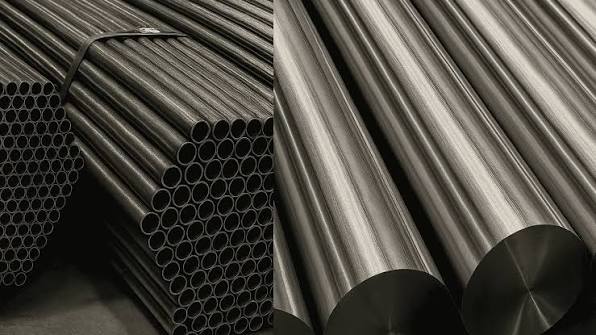
The layer acts as a barrier against moisture, humidity, and air, helping to prevent direct contact with the steel underneath. In an industrial laboratory, where furniture may be exposed to regular cleaning, occasional water contact, and changing environmental conditions, this added protection can reduce the risk of rust formation.
The zinc layer also provides sacrificial protection. If the surface gets scratched or slightly damaged, the surrounding zinc corrodes before the exposed steel does. This helps slow down corrosion and can extend the service life of workbenches, cabinets, frames, and other laboratory furniture.
How does Galvanized Iron deliver better performance then CRCA?
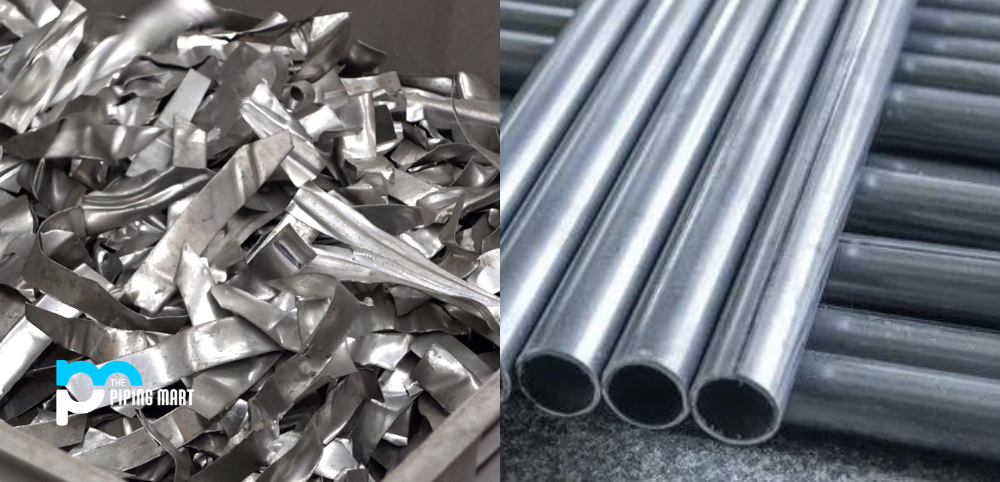
In Industrial Laboratories, it may face regular cleaning, humidity, occasional water exposure and minor scratches during daily use.
Better Protection Against Corrosion
The main difference between Galvanized Iron (GI) and CRCA steel is the way they resist corrosion. CRCA offers a smooth and strong steel surface, but it usually depends on an additional layer of powder coating. However, GI already has a zinc coating over the steel, which acts as an extra protective barrier against moisture and rust.
Better Protection After Minor Surface Damage
Industrial laboratory furniture may get scratched or chipped during equipment movement, maintenance, or everyday use. In GI, the zinc around a small, damaged area can continue to protect the exposed steel through sacrificial protection. With CRCA furniture, if the paint or powder-coated layer is damaged deeply enough, the steel underneath may become directly exposed to moisture. If the damaged area is not repaired, rust may gradually develop.
More Suitable for Moisture-Prone Laboratory Areas
Industrial laboratories may include wet workbenches, washing areas, sinks, and other zones where furniture faces occasional water exposure or high humidity.In these conditions, the zinc coating gives GI an additional level of protection. This can make it a practical choice for laboratory furniture used in environments where moisture exposure is more frequent.
Can GI Reduce Long-Term Maintenance?
Better corrosion protection can also help reduce the need for repeated repainting, rust treatment, or replacement of damaged furniture components. However, this does not mean GI is maintenance-free. Proper cleaning, inspection, and repair of damaged surfaces are still important for extending the life of laboratory furniture.
Can Galvanized Iron Help Reduce Laboratory Maintenance?
Galvanized Iron helps reduce maintenance requirements because its zinc coating protects the steel from moisture and corrosion. In an industrial laboratory, furniture is exposed to frequent cleaning, humidity, occasional spills, and regular handling. Better corrosion protection means workbenches, cabinets, and frames are less likely to require frequent rust treatment, repainting, or early replacement.
However, this can lower long-term maintenance effort and help laboratory furniture remain functional for a longer period. However, GI furniture is not completely maintenance-free. Regular cleaning, inspection of damaged areas, and proper handling are still necessary, especially in laboratories where furniture is exposed to strong chemicals, continuous moisture, or heavy daily use.
Does Every Area of an Industrial Laboratory Need the Same Galvanized Iron Furniture?
Different zones of an industrial laboratory perform different tasks, so the furniture should be designed according to the activity taking place in each area. An equipment zone may need reinforced workbenches, cable management, and enough clearance for equipment. A wet testing area may require sink integration, proper drainage, splash protection, and a suitable chemical-resistant worktop. However, storage areas, on the other hand, may need full-height cabinets, under-bench units, or dedicated sample storage.
The advantage of Galvanized Iron furniture is that it can be fabricated into different configurations while keeping a consistent structural system throughout the laboratory. Instead of using the same standard bench everywhere, GI furniture can be adapted according to equipment load, utility requirements, storage needs, and workflow. This helps create a laboratory layout that is more practical, organised, and suitable for the actual work being performed.
Why Is Galvanized Iron Useful for Modular Industrial Laboratory Furniture?
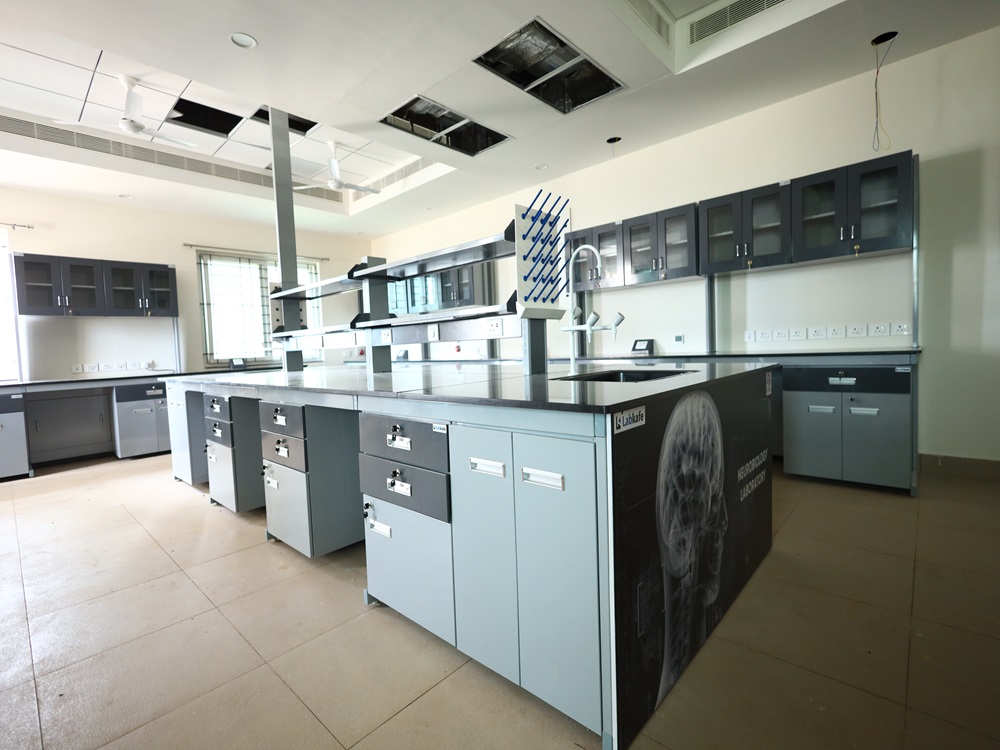
An industrial laboratory rarely stays the same forever. A new instrument may arrive, a testing process may expand, or the team may suddenly need more storage than the original layout provided. This is where Galvanized Iron furniture becomes especially useful. Instead of treating every workbench or cabinet as a permanent fixed unit, GI can be fabricated into modular sections that are easier to adapt as the laboratory changes.
Modular GI furniture can also support future changes in the laboratory. Under-bench cabinets, shelves, reagent racks, electrical modules, and selected worktop sections can be adjusted or replaced when equipment or workflow changes. For industrial laboratories that may expand or introduce new testing processes over time, this flexibility can help reduce the need for complete furniture replacement.
Can GI Furniture Adapt When the Laboratory Expands?
One of the biggest advantages of GI laboratory furniture is that it can be planned with future changes in mind. An industrial laboratory may start with a few instruments and limited storage, but over time the workflow can grow, new equipment can be added, and testing requirements can change.
- Adjustable shelving to accommodate different storage requirements
- Modular reagent racks that can be added or rearranged as needed
- Electrical modules that can be planned around changing equipment requirements
- Utility panels for integrating services such as power, water, gas, or data
- Replaceable worktops that allow selected sections to be upgraded without replacing the full bench
- Equipment-specific bench modules designed around the dimensions and load of particular instruments
- Expandable storage units that can be added when the laboratory needs more capacity
- Reconfigurable workstation sections that allow the laboratory layout to adapt as workflow or testing requirements change
Conclusion
Galvanized Iron can be a durable and practical choice for industrial laboratory furniture because it combines structural strength, corrosion protection, and flexibility in fabrication. When used in the right laboratory environment, GI can support heavy equipment, reduce corrosion-related maintenance, and adapt well to modular furniture systems as the laboratory grows.
However, the right material should always be selected according to the laboratory’s actual workflow, equipment, moisture exposure, chemical use, storage needs, and future expansion plans. Planning an industrial laboratory? Explore Labkafe’s complete industrial laboratory setup solutions and build a lab with furniture designed around your equipment, workflow, and future requirements.







Leave a Reply