Table of Content
- Define the Purpose of the Biotechnology lab
- Separate Pre-PCR and Post-PCR Activities for Biotechnology Lab
- Setting up the Biosafety Cabinet Correctly in Biotechnology lab
- Design the Biotechnology Lab Workflow
- Plan Your Instrument Placement Before Adding Furniture
- Plan Dedicated Workstations for Biotechnology Lab
- Final Thoughts
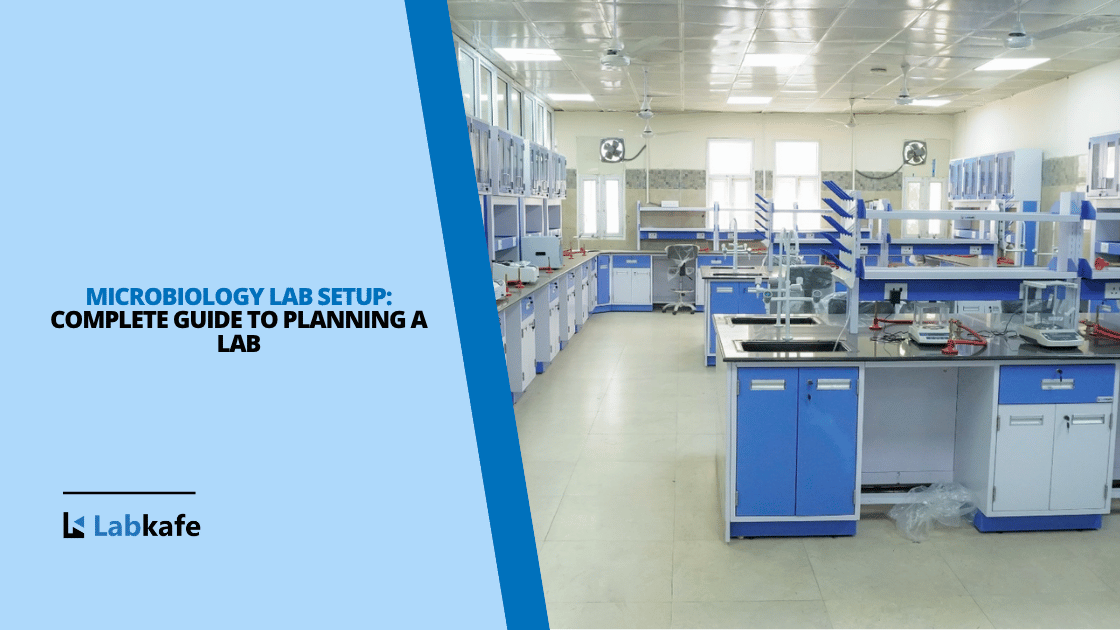
A biotechnology lab cannot be planned like a standard science laboratory. The biological space needs to support DNA/RNA work, microbial culture, PCR, centrifugation, media preparation, refrigeration, sterile handling, microscopy, and analytical testing often within the same facility. Therefore, that means the biggest mistake is starting with furniture.
However, a reliable biotechnology lab setup starts with the workflow: what samples enter the laboratory, where they are prepared, how they move between processes, where contamination risks occur, and which instruments need dedicated utilities or controlled environments. In this blog, If you will encounter a new biotechnology laboratory in 2026, use this checklist before approving the layout, furniture, or equipment.
Define the Purpose of the Biotechnology lab
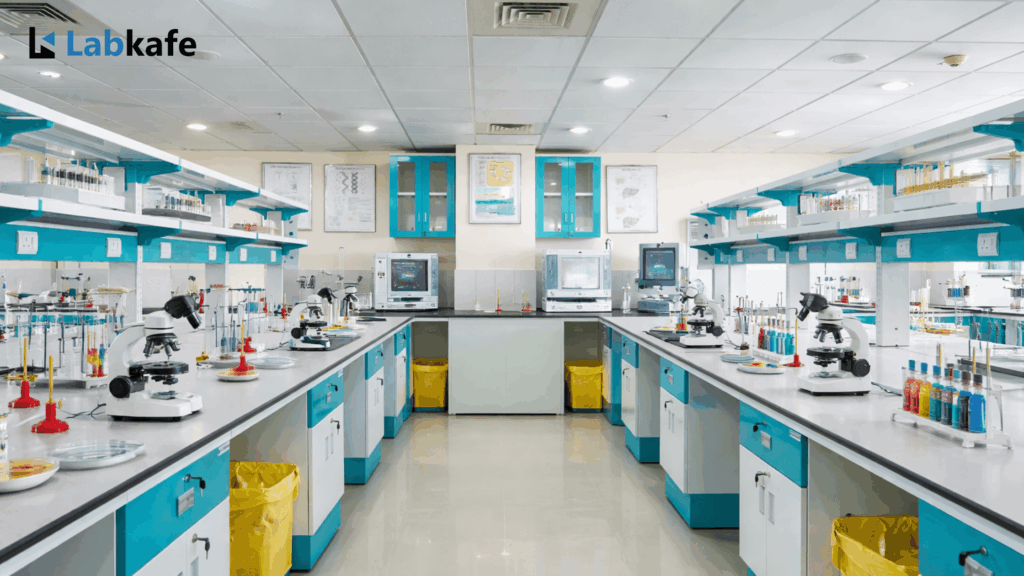
Before planning the layout, furniture, or equipment, first define what the biotechnology lab will actually be used for. However, a teaching laboratory, molecular biology lab, tissue culture lab, and industrial biotechnology research lab may all fall under biotechnology, but their space, equipment, and safety requirements can be very different. Furthermore, list the major activities the laboratory needs to support, such as DNA and RNA extraction, PCR, microbial culture, media preparation, microscopy, centrifugation, sample analysis, or tissue culture.
Once the laboratory activities are clear, it becomes much easier to plan the right work zones, equipment placement, utility points, and storage systems. This also helps avoid unnecessary purchases and prevents expensive changes after installation. Instead of forcing every biotechnology lab into a standard layout, the design should follow the actual workflow, number of users, type of research, and future expansion needs.
Separate Pre-PCR and Post-PCR Activities for Biotechnology Lab
PCR activities require careful contamination control because amplified DNA can easily contaminate clean samples and reagents. For these reasons you need to do the following below instructions:
- Keep pre-PCR and post-PCR activities separate from each other to reduce the risk of the DNA contamination and false results.
- Use the pre-PCR area for reagent preparation, sample preparation, and PCR setup.
- Use the post-PCR area for amplification analysis, gel electrophoresis, and handling amplified DNA.
- Maintain a one-way workflow from clean areas to post-amplification areas. Use separate pipettes, consumables, storage, and small equipment for each zone.
- In larger biotechnology labs, use dedicated rooms where possible; in smaller labs, create clearly defined work zones.
- Proper separation helps maintain a cleaner workflow, better contamination control, and more reliable experimental results.
Setting up the Biosafety Cabinet Correctly in Biotechnology Lab
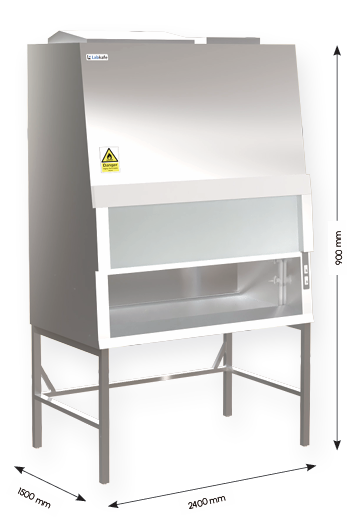
While placing the biosafety Cabinet in the biotechnology, it should be positioned carefully because surrounding airflow can affect its performance.
Choose the Right Location in a Biotechnology Lab
Place the biosafety cabinet away from doors, open windows, busy walkways, and strong air-conditioning vents. These can disturb the airflow pattern and reduce the cabinet’s effectiveness.
Maintain Proper Clearance in Biotechnology lab
Try to leave enough space around the cabinet for safe operation, cleaning, servicing, and experiments. Avoid placing large equipment too close to the air intake or exhaust areas.
Select the correct Safety Cabinet
Selecting the appropriate Safety Cabinet is the foremost purpose. Bothe the biosafety cabinet and laminar airflow cabinet serve different purposes. Choose the cabinet according to the biological work, level of protection required, and the laboratory’s risk assessment.
Support Safe Working Practices
Keep the work area inside the cabinet organized and avoid blocking airflow grilles. Proper placement, correct usage, and regular maintenance help the biotechnology lab maintain a safer and more controlled working environment.
Design the Biotechnology Lab Workflow
Movement within the laboratory should be deliberate. Where practical, samples and materials should move from cleaner processes toward areas with greater contamination or waste-handling potential.
Material Storage → Preparation → Sterile Work → Incubation/Analysis → Washing → Decontamination/Waste
Avoid planning a layout where laboratory staff repeatedly carry used glassware, cultures, or waste through clean preparation areas.
Even in compact laboratories, zoning can significantly improve workflow.
Furniture placement, doors, sinks, storage, refrigerators, waste stations, and equipment should all support this movement rather than interrupt it.
Plan Your Instrument Placement Before Adding Furniture
A well-planned biotechnology lab workflow should support the logical movement of samples, materials, personnel, and waste through the laboratory. The layout should be based on the actual sequence of laboratory activities rather than only on available floor space.
Depending on the work performed, the workflow may move from sample receipt and storage to preparation, sterile handling, incubation, analysis, washing, decontamination, and waste disposal. Planning these stages in the correct order helps reduce unnecessary movement and lowers the chance of cross-contamination.
Plan Dedicated Workstations for Biotechnology Lab
A well-designed biotechnology lab should include dedicated workstations for different laboratory activities instead of using the same bench for every task. Specific work areas help organize equipment, reduce interference between processes, and improve contamination control.
Sample Preparation Workstation
The laboratory should provide a dedicated area for weighing, mixing, labeling, and preparing samples before testing or analysis. However, this workstation should have sufficient bench space, nearby storage, and easy access to frequently used consumables.
Molecular Biology and PCR Workstation
PCR and nucleic-acid experiments should have a clearly defined workspace with dedicated pipettes, consumables, reagents, and small equipment. However, whenever possible, keep pre-PCR work separate from post-PCR analysis to reduce the risk of contamination.
Culture and Sterile Workstation
Activities involving microbial or cell culture may require a biosafety cabinet or another appropriate controlled workspace. Keep this area away from heavy traffic and avoid placing it near strong air movement that may interfere with cabinet performance.
Instrumentation Workstation
Analytical instruments such as spectrophotometers, centrifuges, microscopes, and other equipment should be placed on stable benches with suitable electrical connections, ventilation, and maintenance clearance. Instrument placement should also consider vibration, heat generation, and ease of access.
Washing and Decontamination Workstation
Create a separate wet area for washing glassware, cleaning reusable items, and handling decontamination activities. Position sinks, drying areas, waste bins, and related utilities so that contaminated materials do not pass through clean work zones unnecessarily.
Dedicated workstations help create a more organized and efficient biotechnology lab by giving each activity a defined space, reducing clutter, and supporting a safer laboratory workflow.
Final Thoughts
The most effective Biotechnology lab setup is not necessarily functional with specialized lab equipment and lab furniture. It is important to have a proper layout, different sections.
In 2026, biotechnology laboratories increasingly need adaptable spaces because equipment and research processes can change faster than the building around them. At Labkafe, we plan complete biotechnology laboratories around the available room, equipment requirements, furniture, storage, and user capacity. Instead of starting with a standard furniture arrangement, the laboratory can be planned around how it will actually be used.







Leave a Reply