Table of Contents
- What is a Safety Cabinet?
- What are the types of Safety cabinets?
- Why choosing the Right Safety Cabinet Matters
- Conclusion
Safety Cabinets are an essential part of any well-designed laboratory. Whether, it is a school lab, research facility, or industrial setup, choosing the right safety cabinet ensures protection and efficiency. However, different labs require different safety solutions, understanding the types available helps you make the right decision.
At Labkafe, we provide every type of safety cabinets available in the market, ensuring that your laboratory meets the highest safety standards while maintaining durability and efficiency. Therefore, in this blog, you will find out different types of safety Cabinets with their Applications.
What is a Safety Cabinet?
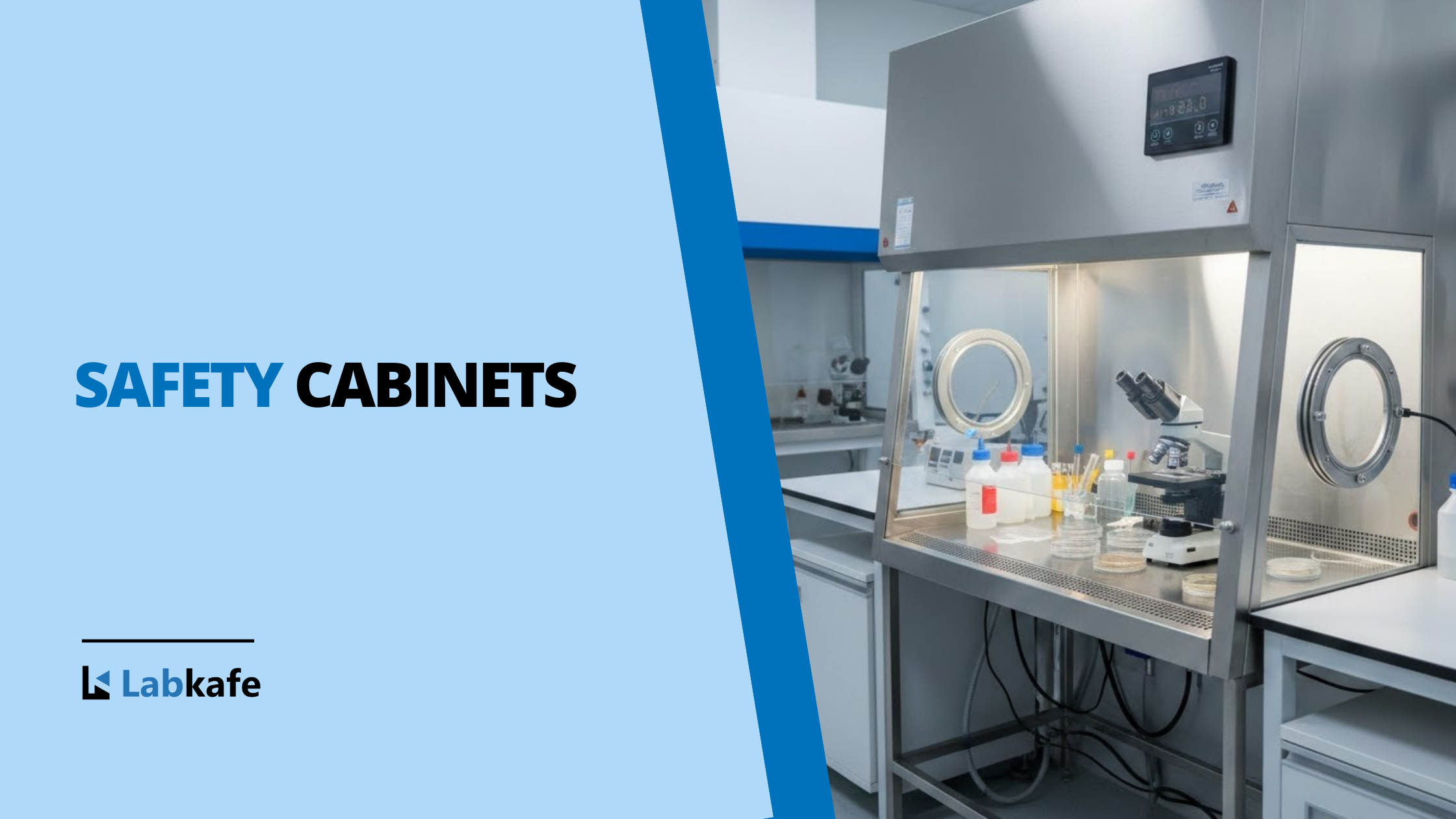
Safety cabinets or hoods are very important products when using laboratories. The cabinets are designed to maintain the safety of the worker. The safety hood reduces the level of hazardous fumes and chemicals from the surrounding of the worker.
These cabinets are built with safety focused elements and features such as fire resistant, corrosion-resistant coating, leak-proof trays, and reagent racks. This minimizes the risk like fire, chemicals, contamination, or accidental exposure.
What are the types of Safety cabinets?
There are many types of safety cabinets present in the market, but we have selected some cabinets that can sustain different types of environments. Whether it is a school lab or research facility choosing the right safety cabinets ensure proper protection and safe environment.
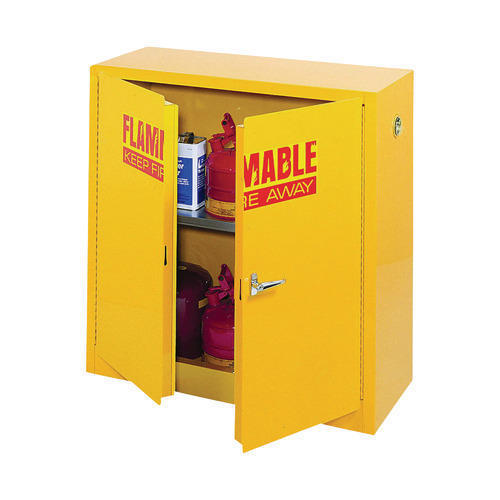
Flammable Safety Cabinet
This safety hood designed for the storage of flammable and combustible liquids, ensuring maximum protection for the products. These cabinets are built with double walled steel construction and fire-resistant insulation to minimize fire risks.
They typically include self-closing doors, leak-proof sills, and proper ventilation options. However, these types of flammable storage cabinets are used in chemistry labs and industrial facilities.
Chemical Safety Cabinet
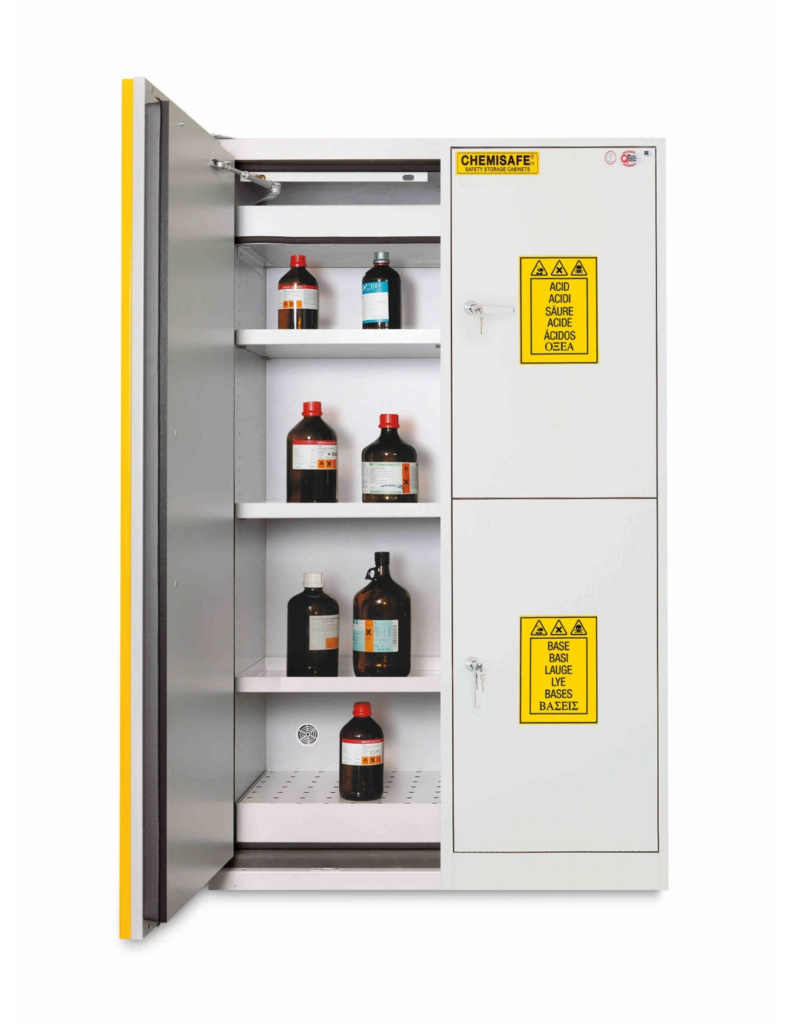
We design and build these cabinets for the safe storage of chemicals such as acids and other corrosive substances. We manufacture them using corrosion-resistant materials like polyethylene or epoxy-coated steel. Furthermore, these cabinets contain leaks effectively and prevent harmful fumes from spreading during laboratory experiments.
Furthermore, it is ideal for Chemistry Labs, pharmaceutical units, and research institutions that regularly handles corrosive substances.
Bio-safety Cabinet
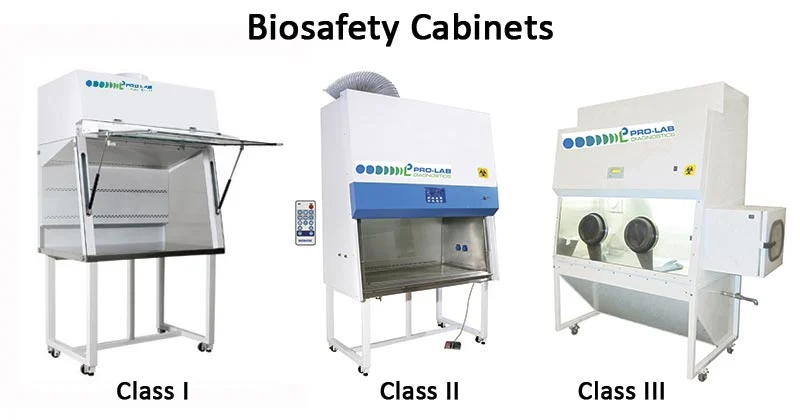
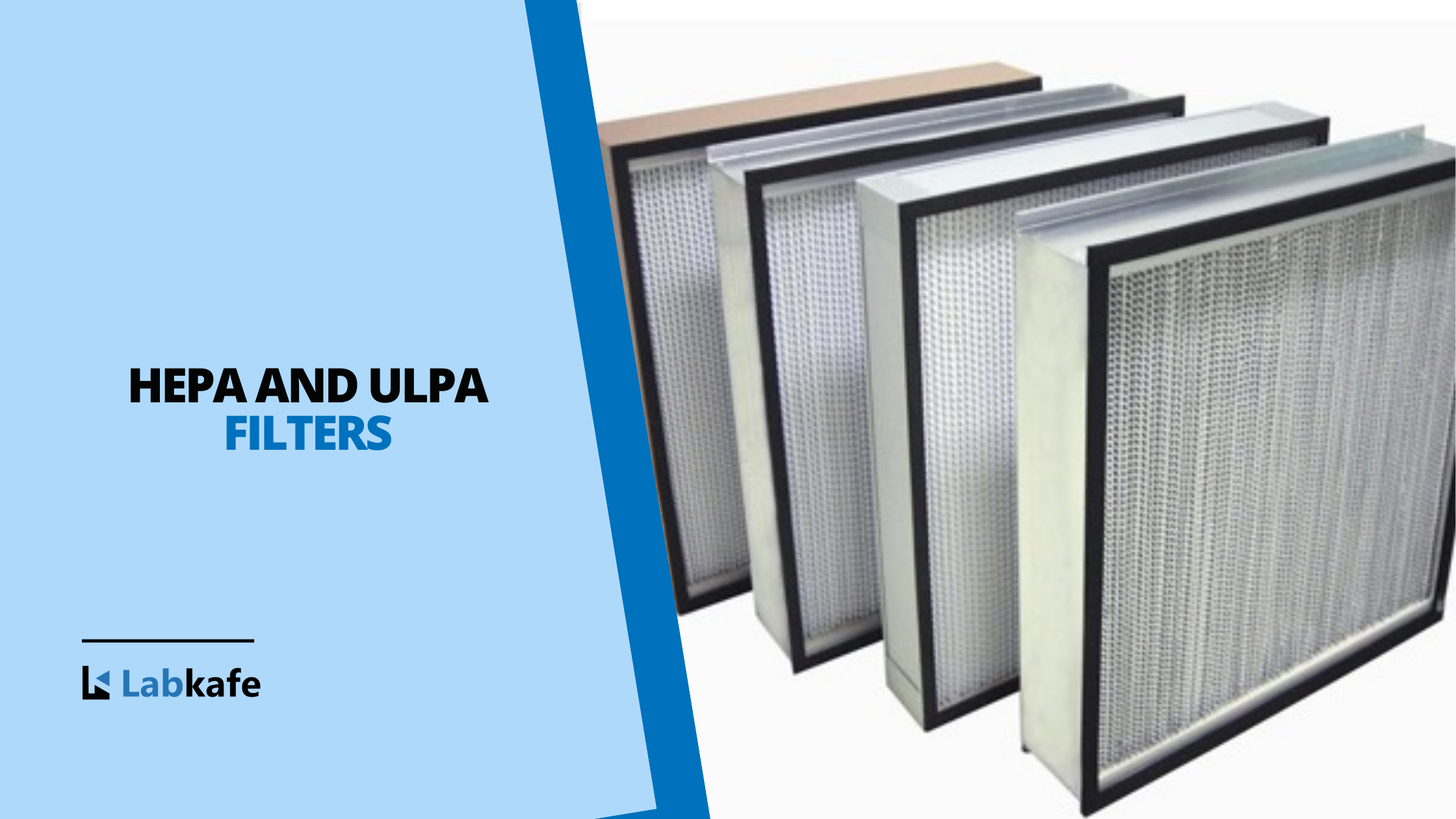
Biological safety cabinets are essential when working with microorganisms, bacteria, or virus like Corona. However, these cabinets protect the user, the sample, and the surrounding environment through controlled airflow and HEPA filtration.
There are different classes available including Class I, Class II, and Class III, depending on the level of protection required. Research labs and microbiology departments rely heavily on this system for performing safer experiments.
Laminar Air Flow Cabinet
Laminar air flow provides a clean, particle-free working environment by directing filtered air across the workspace. Unlike biological safety cabinets, these are primary product designed to protect the products rather than the user. It creates a sterile contamination-free and particle-free environment by producing a smooth and unidirectional usually through HEPA filter.
These cabinets are essential in pharmaceutical industries, microbiology labs, electronics manufacturing, and sterile operating rooms.
Fume Hoods
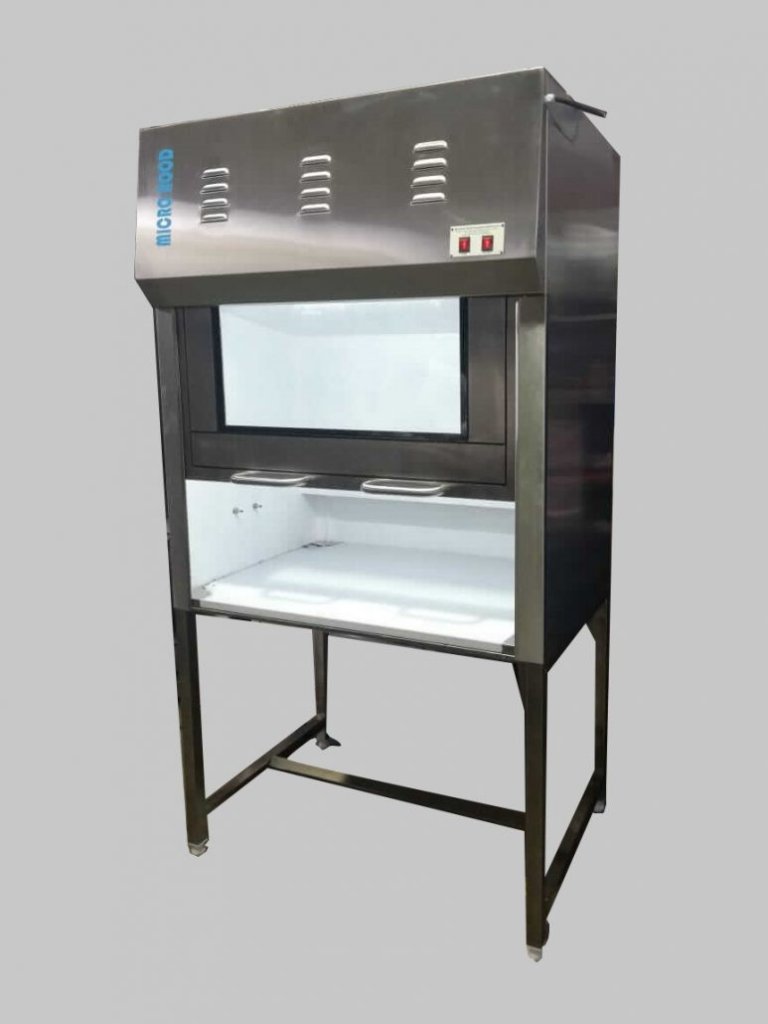
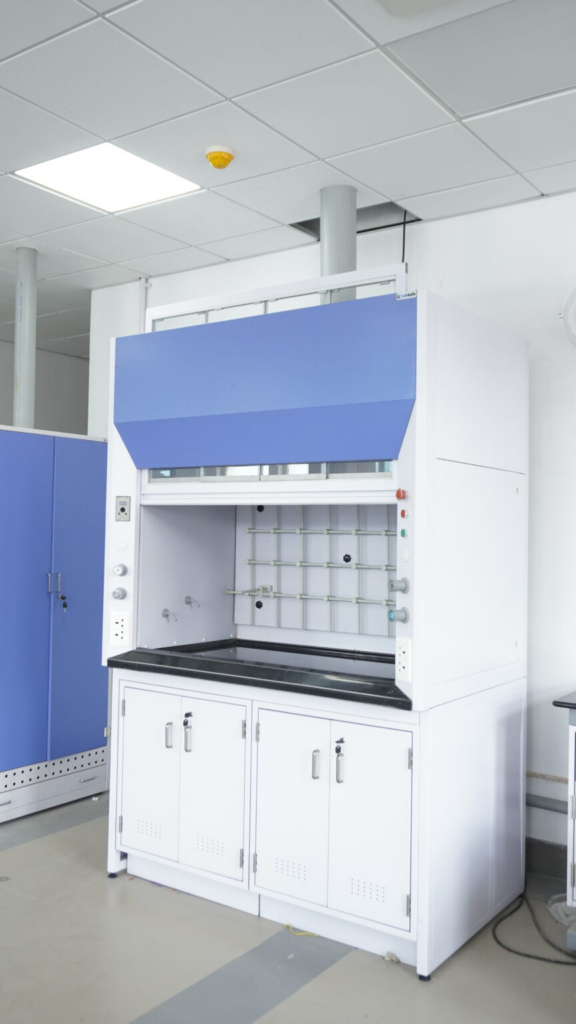
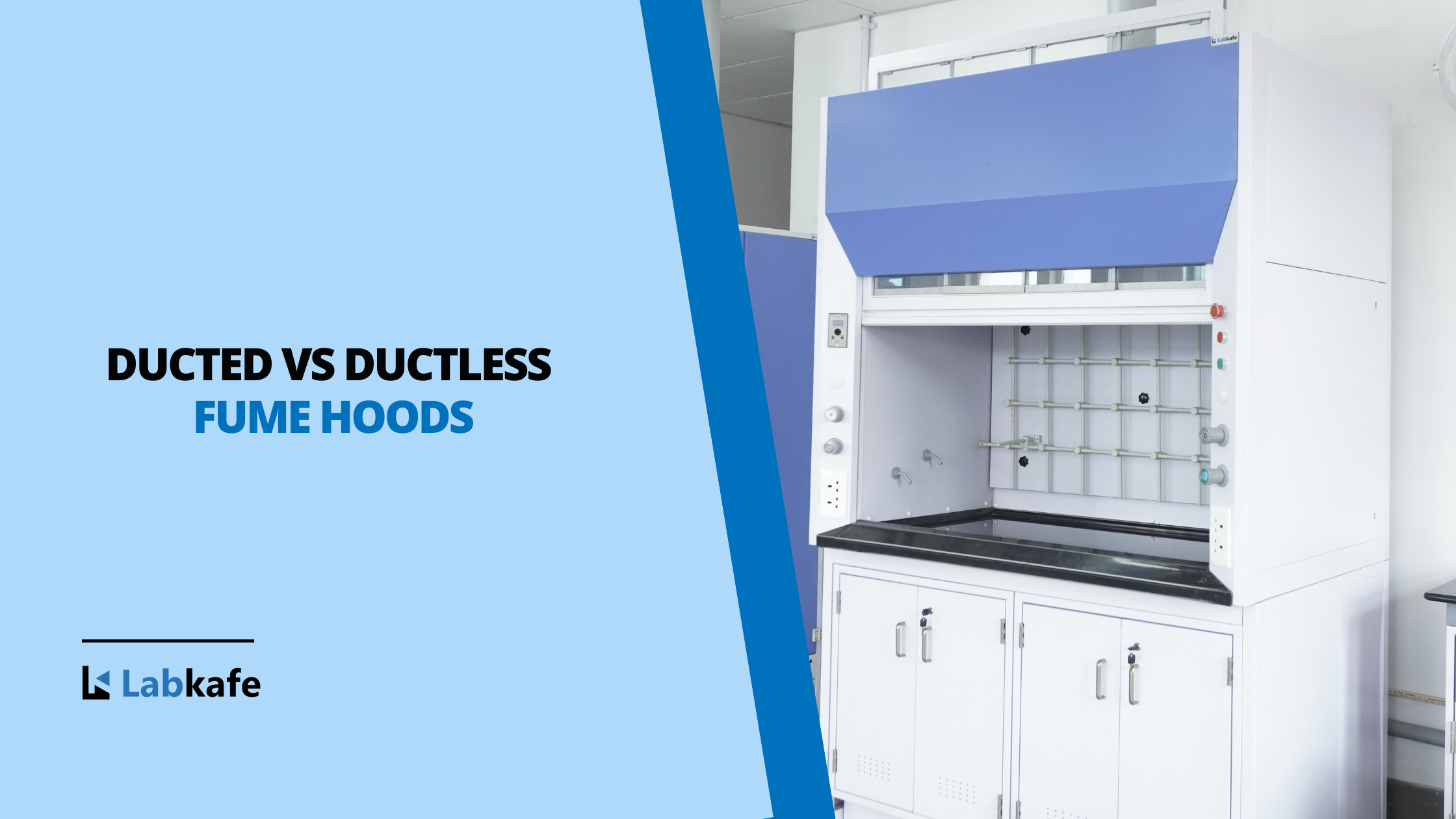
Fume Hoods plays a vital role in any schools and research institutions that have any engineering controls designed to protect personnel from hazardous vapors, or dust. These ventilated enclosures often made up of chemical-resistant materials like stainless steel, or polypropylene featuring a sash window. However, laboratories use two types of fume hoods: ducted hoods and ductless (recirculating) hoods.
It is essential in Schools and University Labs where volatile reactions occur.
Why choosing the Right Safety Cabinet Matters
Choosing the right safety cabinet is not a financial decision, but an essential safety investment for any laboratory. These types of cabinets serve different purpose based on what type of lab it will serve. Manufacturers make acid and corrosive storage cabinets from corrosion-resistant materials such as polyethylene or epoxy-coated steel to prevent damage and contain leaks. Toxic chemical cabinets provide secure storage for highly hazardous substances with enhanced locking and ventilation systems.
For experimental and research work, biological safety cabinets (BSCs) protect the user, product, and environment through HEPA-filtered airflow, especially when handling microorganisms. Laminar airflow cabinets maintain a sterile workspace by protecting the product from contamination, while fume hoods remove harmful fumes vapors, and dust generated during chemical reactions. Selecting the right type of lab cabinet ensures compliance, minimizes risks, and create a safer and more efficient laboratory environment.
Conclusion
Choosing the right safety cabinet plays a vital role in maintaining a secure and compliant laboratory environment. From flammable and acid storage to biological safety cabinets and fume hoods, each type serves a specific purpose in protecting people and infrastructure. When you align your cabinet selection with the type of chemicals or processes in your lab, you reduce the risks and strengthen overall operational safety.
If you are planning to upgrade or set up a laboratory, explore our complete range of safety cabinet solutions available at Labkafe. Contact our lab experts today to find the right safety cabinets designed to enhance your laboratory requirements.



Leave a Reply