Table of Contents
- Planning the Laboratory Layout
- Essential Equipment for a Microbiology Lab
- Essential Glassware and Consumables
- Laboratory Furniture Requirements in a Microbiology Lab
- Safety Equipment and Compliance
- Conclusion
Setting up a Microbiology lab requires careful planning, the right equipment, and well-designed laboratory furniture. A properly organized lab ensures accurate results and smooth workflow. Whether you are establishing a microbiology lab in a school, hospital, or research institute, having the correct infrastructure and safety compliance is essential.
In this guide, you will get to know about the Essential Equipment, Furniture, and Safety Compliance checklist which are needed to setup a fully functional microbiology laboratory.
Planning the Laboratory Layout
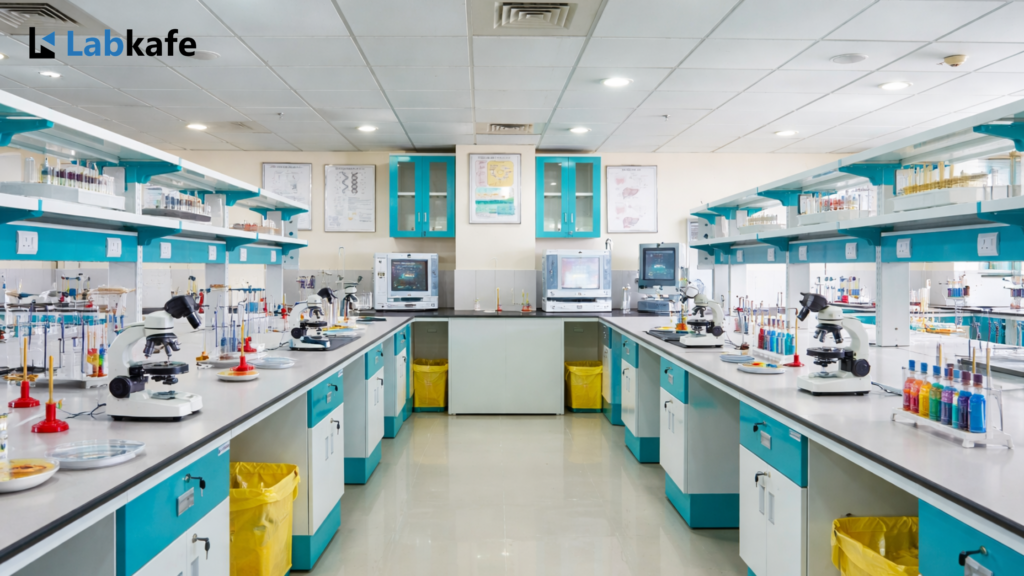
Before purchasing any equipment and furniture, it is important to design a practical laboratory Layout. A well-organized layout helps to maintain cleanliness, improve workflow and reduce the risk of contamination. However, the microbiology labs deal with a wide range of microorganisms, and the space must support sterile practices and safe handling of samples.
The Lab should be divided into different sections such as sample collection, culture handling, sterilization, and analysis areas. However, separating these zones helps to prevent any cross-contamination and allow researcher to work properly.
Key Considerations of Microbiology Lab Layout
- Separate work zones for sample preparation, culturing, and analysis.
- Proper ventilation system to maintain the balance of clean air circulation
- Adequate amount of lighting for microscopic observation and detailed work.
- Chemical-resistant flooring for easy cleaning and safety.
- Preparing linear workflow diagram and identify all the equipment that will be used in the microbiology lab.
- Sufficient space for equipment placenta and smooth movement
Essential Equipment for a Microbiology Lab
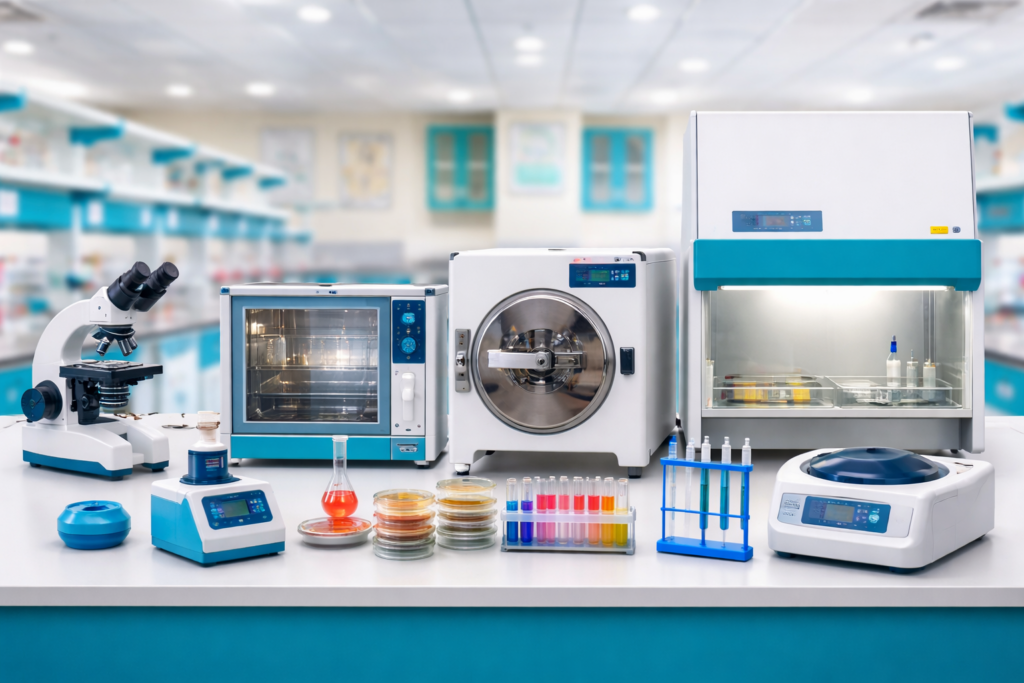
A full functional microbiology laboratory requires specialized equipment for sterilization, cultivation, and identification of microorganisms. However, core essentials include an autoclave for high-pressure steam sterilization, and microscopes for visualization.
- Microscope: Essential for viewing the morphology and motility of the organisms too small for the naked eye.
- Centrifuge: Separates substances of different densities by spinning samples at high speeds.
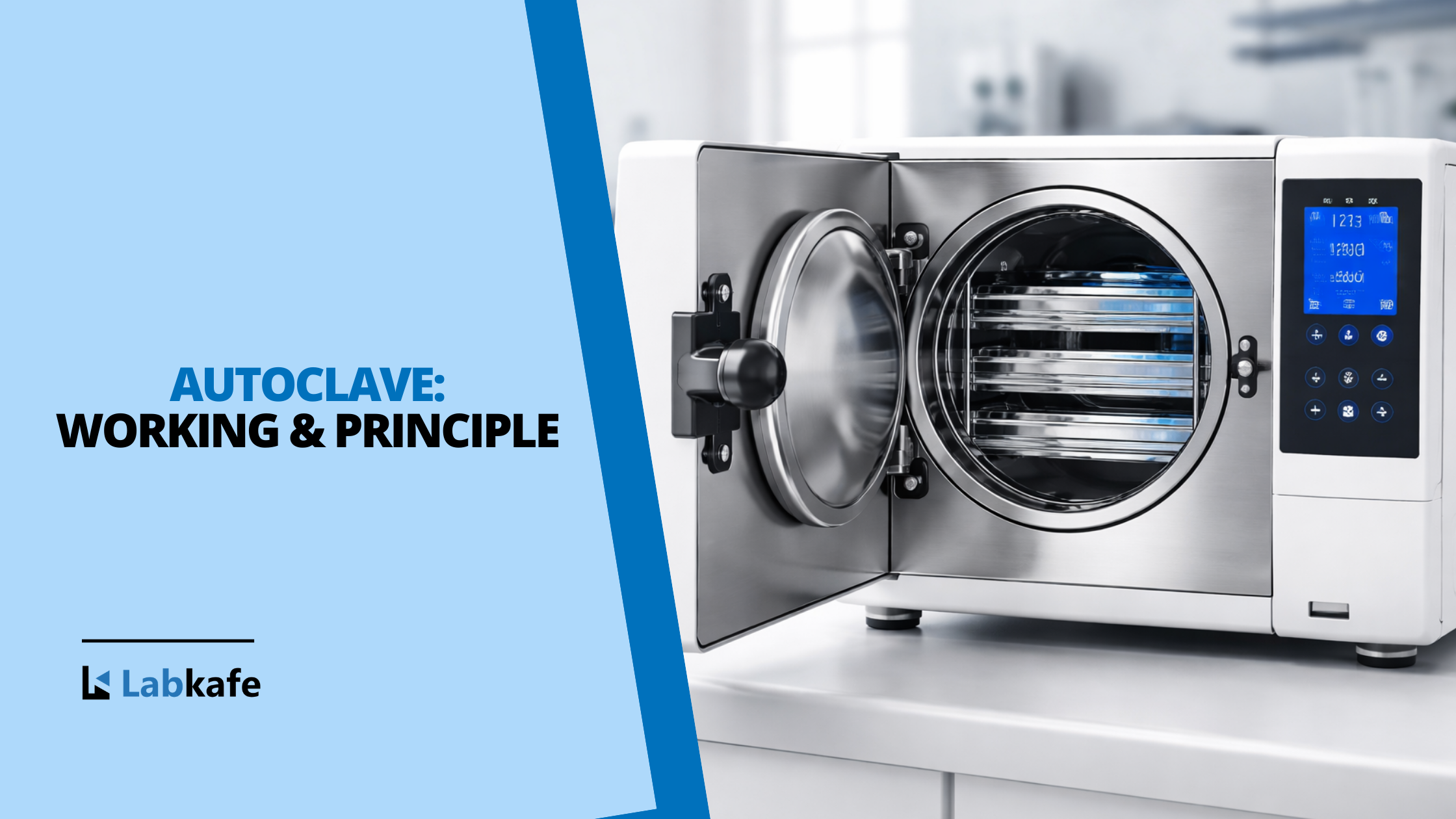
- Autoclave: Often called the “nucleus” of the lab, it uses high-pressure steam to sterilize glassware, media, and biohazardous waste.
- Laminar Air Flow: Enclosed workstations that use HEPA filter loops and needles through direct flaming.
- Bunsen Burner: A standard gas-fueled tool used for rapid sterilization of inoculating loops and needles through direct flaming.
- pH Meter: Measures the acidity or alkalinity of solutions, which is critical since most microbes require a specific pH range to thrive.
- Vortex Mixer: Used for rapid mixing of liquid samples in test tubes or flasks.
- Hot Air Oven: This equipment sterilizes glassware and metal instruments using dry heat.
Essential Glassware and Consumables
In the Microbiology lab, Glassware and Consumables should withstand extreme heat and chemical exposure.
Glassware
- Petri Dish: Shallow, lidded containers used for culturing microorganisms on solid agar media.
- Culture Tubes: Finger-length tubes used for liquid or solid media growth, biochemical biochemical, and preparing stock cultures.
- Conical Flask: Ideal for mixing the culture and heating, its narrow neck minimizes contamination during mixing.
- Microscopic Slides and Cover Slips: these are one of the most essential microscopic examinations, which includes staining and observing cell morphology.
Consumables
- Inoculating Loops and Needles: Metal or disposable plastic tools used to transfer microbial samples.
- Filters: Syringe filters and vacuum filtration units for sterilizing pouches
- Pipette Tips: Syringe filters and vacuum filtration units for sterilizing heat-sensitive liquids.
Laboratory Furniture Requirements in a Microbiology Lab
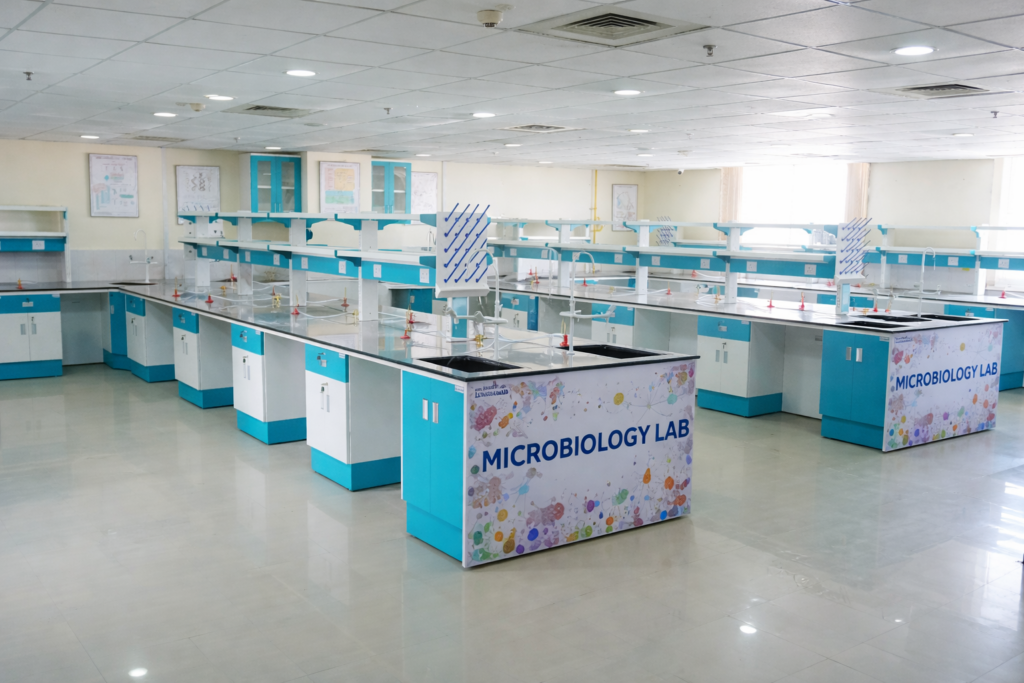
Laboratory furniture is a key component of any microbiology lab, as it directly impacts workflow efficiency, safety, and cleanliness. However, microbiology labs involve handling sensitive cultures and chemicals, the Lab furniture have to be clean, durable, and Chemical resistant.
Lab Workbench of Microbiology Lab
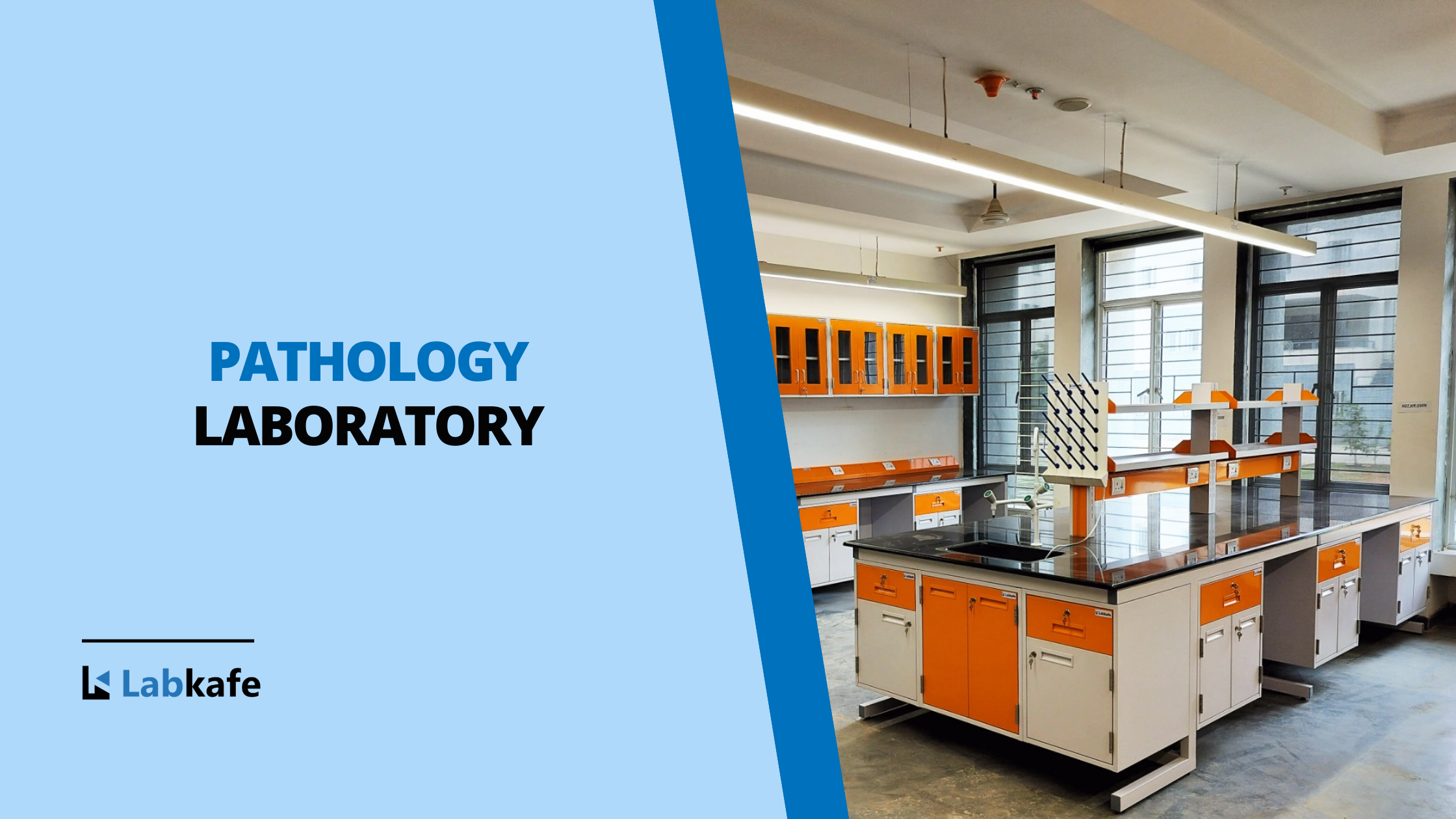
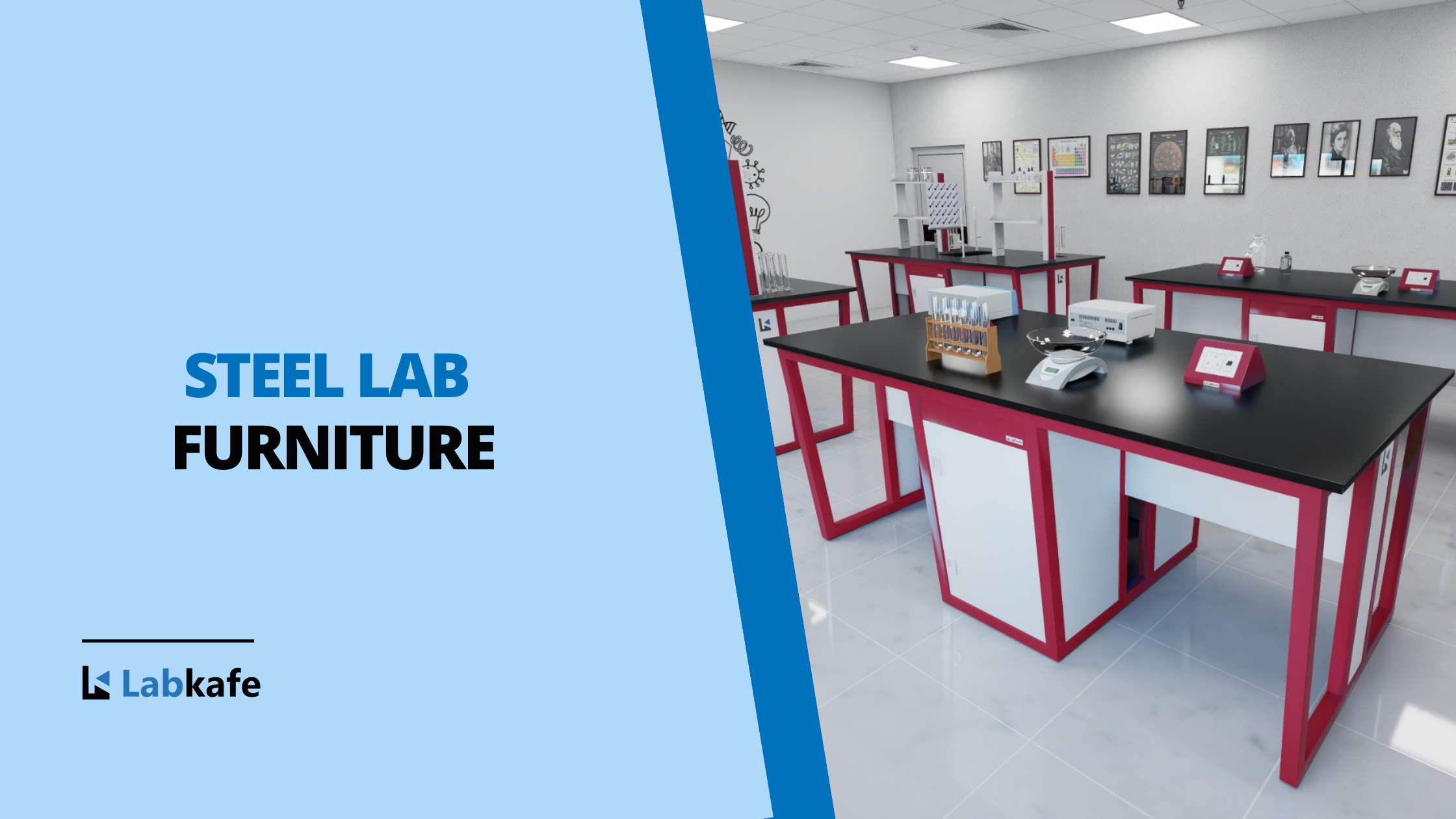
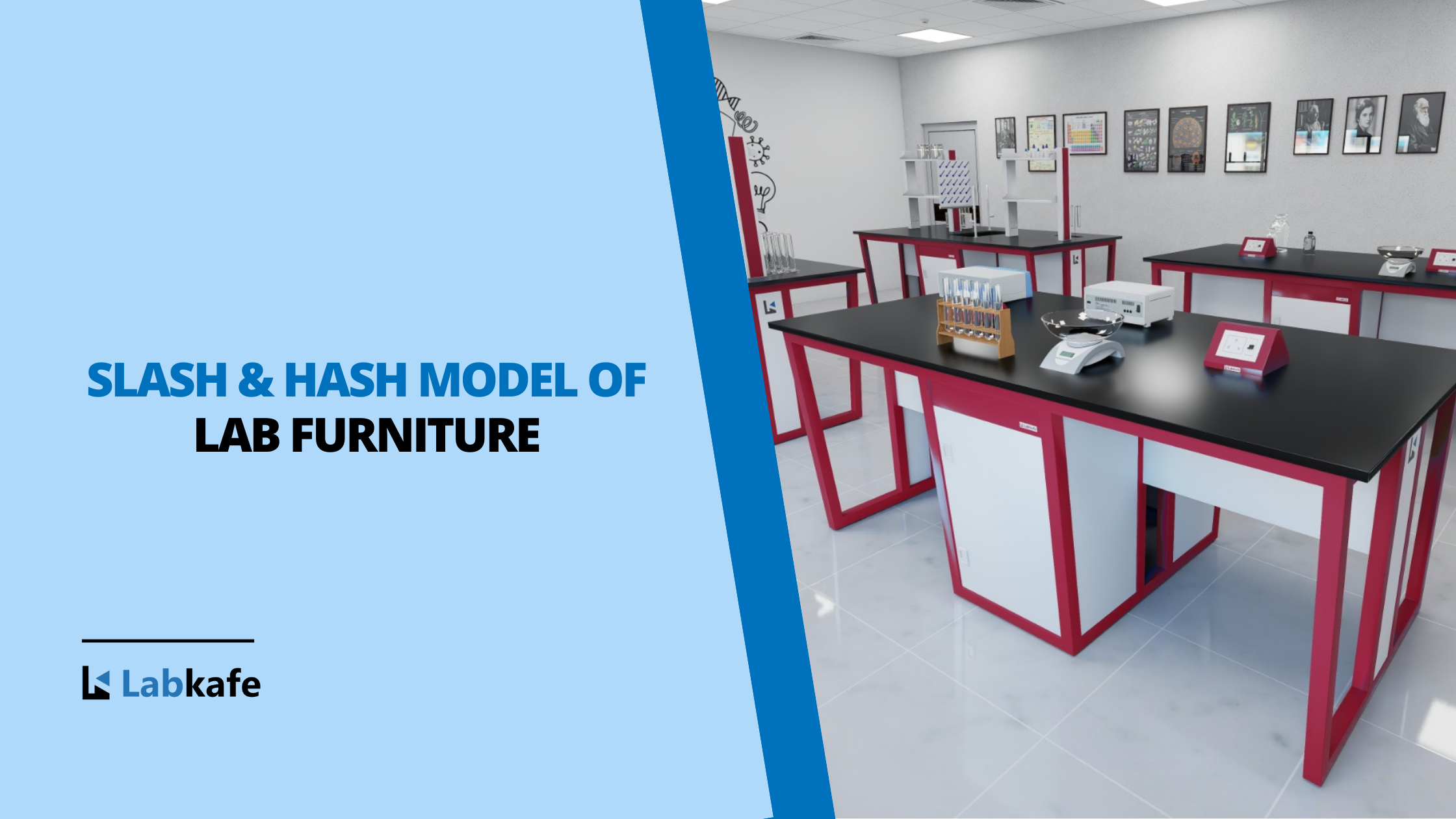
A right workbench is a key component of any microbiology lab, as it directly impacts the result of experiments. However, they should be made from chemical-resistant material like epoxy resin or stainless steel. Depending on the layout, the labs include Island workstations for a group of students, and wall-facing benches for placing instruments like microscopes and centrifuges.
Storage Cabinet of Microbiology Lab
Every Microbiology lab should have storage cabinets that are essential for organizing glassware, reagents, chemicals, and different types of instruments. Furthermore, specialized cabinets help to maximize space and keep frequently used items within reach.
Lab Accessories
- Sink: It is made up of stainless steel or Epoxy Resin to resist corrosion. However, it is used in both schools and Research Labs.
- PEG Boards: It is a vertical, high-density drying rack with drainage to prevent microbial growth in standing water.
- Eye Wash: Designed to provide immediate first aid for chemical splashes and ensure workplace safety.
- Emergency Shower: Designed for quick first-aid response in labs and industrial aids.
Safety Equipment and Compliance
Microbiology safety equipment focuses on contamination and exposure prevention to meet mandatory Biosafety Level (BSL) standards.
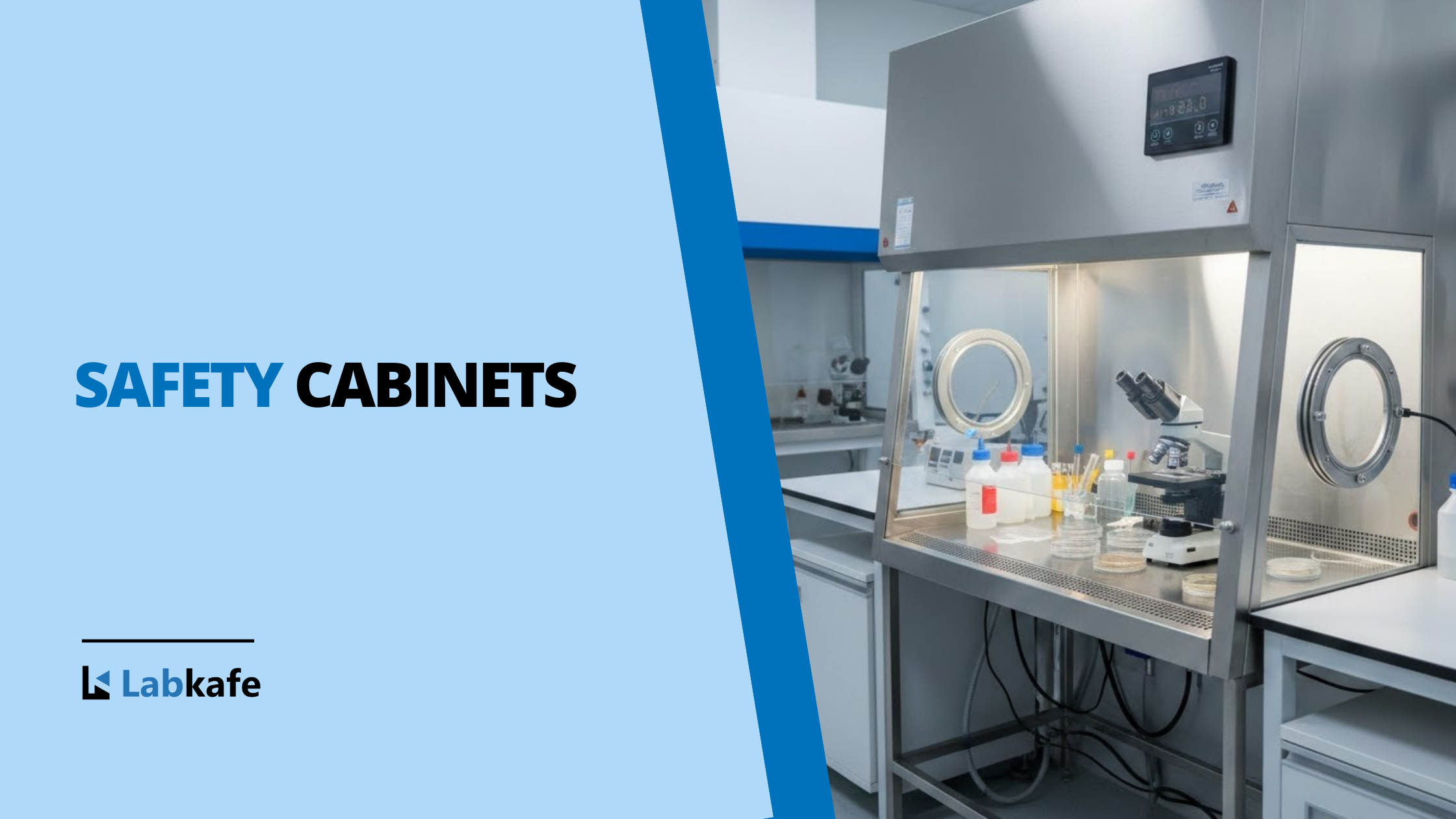
- Biosafety cabinets
- Eyewash Stations
- Emergency showers
- Fire extinguishers
- Personal Protective Equipment (PPE)
Nevertheless, following all the proper biosafety protocols and regulatory guidelines ensures a safe laboratory environment.
Conclusion
Establishing a microbiology laboratory demands a proper mix of equipment, furniture, security systems, and infrastructure. Starting from microscopes and incubators to laboratory workbenches and storage cabinets, each element is important in a laboratory and contributes to a high degree in ensuring a smooth and accurate working process. Therefore, by designing a proper laboratory and purchasing high-quality laboratory equipment and furniture, it is possible to establish a modern microbiology laboratory in institutions.
If you are planning to establish a microbiology laboratory. Contact Labkafe to get expert guidance for setting up a safe and efficient laboratory.


Leave a Reply